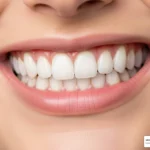


Dental procedures utilize various tools to restore oral health, and crowns are an effective solution. A dental crown acts as a cap that covers a tooth, restoring its normal shape and size. Patients may require this restoration when a tooth is severely damaged or decayed. Understanding how these prosthetics function aids in making informed decisions about oral healthcare options.
What Are Crowns?
Dental crowns are fixed prosthetic devices cemented onto an existing tooth or implant. They fully encase the visible portion of a tooth that lies at and above the gum line, and they provide structural support to compromised dentition. These caps are custom-made to match the color and shape of natural teeth. The choice of material depends on the patient and their unique dental needs.
How Do They Work?
Crowns function by forming a protective shell around a damaged tooth to prevent further deterioration. The cap absorbs the bite force during chewing, and this protects the underlying tooth structure from fracturing. This mechanism allows the restored tooth to function like a natural one within the mouth. The cementing agent bonds the crown securely, creating a tight seal against bacteria.
The crown covers the tooth completely to seal out plaque and external irritants. This barrier reduces the risk of decay in the underlying tooth structure, but good oral hygiene is still required. The cement used creates a strong bond, which allows the patient to eat without the restoration shifting.
What Are They Used For?
Dentists recommend crowns for a variety of restorative and cosmetic reasons. A crown protects a weak tooth from breaking, and it holds together parts of a cracked tooth. Large fillings may require a crown for support when not enough tooth remains. They also cover misshapen or severely discolored teeth to improve aesthetic appearance.
What Does the Process Involve?
The procedure typically requires two visits to the dentist for completion. A dentist first examines and prepares the tooth, and they may take X-rays to check the roots and surrounding bone. The practitioner then files down the tooth along the chewing surface and sides to make room for the crown.
Measurements of the prepared tooth are taken to create a customized restoration, and a temporary crown is placed over it to protect it while the permanent crown is being fabricated. The dentist removes the temporary crown during the second visit. They check the fit and color of the permanent crown, and if everything is correct, they cement it into place. The patient may receive instructions on care and maintenance to prolong the restoration’s life.
What Are the Benefits?
Crowns offer a durable solution for correcting dental issues that other treatments cannot address. They provide aesthetic results by mimicking the translucency of natural teeth, and they restore full biting and chewing function. Durability is a key advantage, as crowns can last many years with proper oral hygiene. This restoration option resolves structural damage while maintaining the bite’s alignment.
Learn More About Dental Procedures
Dental crowns represent a versatile treatment for restoring damaged or decayed teeth. They provide structural protection and aesthetic improvement, and the process usually takes two appointments. Consulting with a dental professional clarifies whether this option is suitable for specific oral health needs. Contact a clinic today to schedule an examination or to discuss restorative options.