
A colonoscopy is a standard medical examination used to inspect the large intestine for abnormalities or disease. Preparing for the procedure is key, but understanding the post-procedure recovery is also beneficial. Here is more information on this exam, why it is conducted, what the process involves, and what recovery is like:
Why Is a Colonoscopy?
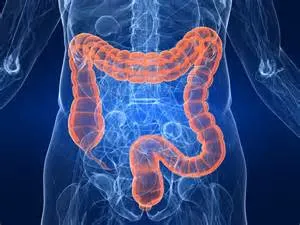
A colonoscopy allows a gastroenterologist to view the inner lining of the large intestine and rectum comprehensively. A colonoscope is a thin, flexible tube equipped with a light and a camera, and it is inserted into the rectum to capture high-definition images. The instrument transmits video to a monitor, allowing the physician to examine the colon for inflammation, ulcers, or abnormal growths.
The procedure is distinct from other screening methods because it visualizes the entire colon rather than just the lower portion. Other tests may miss abnormalities located higher in the large intestine, but a colonoscopy provides a complete assessment. Physicians rely on this thorough visualization to rule out various gastrointestinal conditions.
Why Is It Conducted?
Physicians order this exam to investigate symptoms such as abdominal pain, rectal bleeding, or changes in bowel habits. These symptoms may indicate underlying conditions such as ulcerative colitis or diverticulosis, and a visual inspection can provide a definitive diagnosis. Investigating these signs early helps prevent complications and guides the medical team toward the correct treatment plan.
Screening for colorectal cancer is a common reason for this procedure in asymptomatic adults. Medical guidelines suggest screening begins at age 45, but individuals with a family history may need to start sooner. Regular screening detects precancerous polyps, and removing them prevents colorectal cancer.
What Does the Process Involve?
During the procedure, the doctor inserts the colonoscope and advances it to the opening of the small intestine. Air may be introduced to inflate the colon, providing a clearer view of the lining. The scope is then slowly withdrawn, and the physician carefully examines the colon walls for any abnormalities during this withdrawal phase. The entire examination typically lasts between 30 and 45 minutes, depending on findings and interventions.
What Happens After?
Patients are moved to a recovery room for observation after the procedure, and once the medical staff confirms the patient is stable and alert, they will provide discharge instructions. Mild bloating and nausea are common during recovery. It is recommended that patients do not drive or operate machinery for the rest of the day. A normal diet can usually be resumed immediately, although staying hydrated benefits digestion.
What Are the Benefits?
The primary benefit is the accurate detection and prevention of colorectal cancer. Other screening methods are less invasive but generally less effective at detecting polyps. A colonoscopy is the only test that allows immediate removal of precancerous growths, and this helps lower cancer risk.
This exam provides a comprehensive view of the entire colon, unlike a sigmoidoscopy, which views only the lower portion. It assists in diagnosing chronic conditions, such as Crohn’s disease, and it helps doctors monitor the effectiveness of treatments. The procedure is effective and generally safe when performed by a specialist.
Know What To Expect
Proper knowledge of the recovery phase promotes a safe return to normal activities. Patients should monitor for severe pain or heavy bleeding, and they should contact their provider if these symptoms occur. Contact a local gastroenterology clinic to schedule a screening or to discuss any digestive concerns.