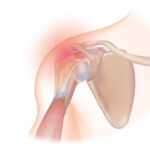


Living with movement disorders presents challenges that extend beyond physical limitations. For many patients, chronic pain accompanies these conditions, complicating daily activities and reducing overall quality of life. Understanding the relationship between involuntary movements and pain perception is the first step toward finding relief.
What Are Movement Disorders?
Movement disorders are neurological conditions that affect the speed, fluency, quality, and ease of movement. They typically stem from disruptions in the complex communication pathways between the brain, spinal cord, nerves, and muscles. While the primary symptoms are motor-related, non-motor symptoms frequently accompany them.
Pain is a significant non-motor symptom that arises from sustained muscle contractions, joint stiffness, or direct nerve signaling issues. It can manifest as sharp aches, dull throbbing, or burning sensations. Addressing this pain requires a comprehensive understanding of the specific disorder involved, as the source of discomfort varies greatly between conditions.
What Are the Types?
Several distinct types of movement disorders exist. Each of these disorders contains specific characteristics and pain profiles. Some of the most prominent diseases that fall under this label include:
- Parkinson’s Disease: This progressive disorder affects the nervous system and the parts of the body controlled by nerves. Tremors are common, but the disorder also causes stiffness and slowing of movement.
- Dystonia: Dystonia involves involuntary muscle contractions that cause slow repetitive movements or abnormal postures. These movements are often painful.
- Essential Tremor: While primarily characterized by rhythmic shaking, essential tremor can lead to discomfort. The constant effort to control or compensate for the shaking puts strain on muscles and joints.
- Huntington’s Disease: This genetic disorder causes the progressive breakdown of nerve cells in the brain. It results in jerky, involuntary movements.
How Are They Treated and Pain Managed?
Managing pain in patients with movement disorders requires a strategy that targets both the underlying condition and the specific pain mechanisms. Pharmaceutical interventions often serve as the first line of defense. Muscle relaxants may help reduce the severity of spasms in dystonia. For neuropathic pain, physicians may prescribe medications specifically designed to calm overactive nerves.
Physical and Occupational Therapy
Therapeutic exercises play a significant role in pain reduction. Physical therapists design programs to maintain flexibility, improve posture, and strengthen muscles. This helps counteract the stiffness and abnormal posturing that contribute to musculoskeletal pain. Occupational therapists assist patients in adapting their daily activities to minimize strain and conserve energy.
Surgical Interventions
In cases where medication and therapy do not provide sufficient relief, surgical options exist. Deep Brain Stimulation (DBS) involves implanting electrodes in specific areas of the brain. These electrodes produce electrical impulses that regulate abnormal impulses. DBS can significantly reduce tremors, rigidity, and dyskinesia, leading to a corresponding decrease in pain.
Lifestyle Modifications
Simple changes in daily routine can also contribute to pain management. Regular, gentle exercise like swimming or walking helps maintain mobility. Stress management techniques can reduce muscle tension. Adequate sleep is necessary for the body to repair itself and manage pain thresholds.
Seek Professional Neurology Services
Navigating life with a movement disorder requires expert guidance. A neurologist specializing in movement disorders can provide a comprehensive evaluation and develop a tailored treatment plan. Early intervention often prevents the worsening of symptoms and helps maintain independence for longer. Regular monitoring allows for adjustments in treatment as the condition progresses.