
Recovering from surgery is a structured process, and it requires adherence to medical guidelines. For patients undergoing shoulder replacement, the post-operative phase is key to regaining functionality and reducing pain. Here is more information on the specific components of shoulder replacement and the subsequent rehabilitation protocols necessary for recovery:
What Is Shoulder Replacement?
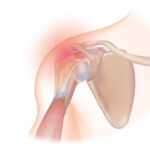
Shoulder replacement, also known as shoulder arthroplasty, is a surgical procedure where the damaged parts of the shoulder joint are removed and replaced with artificial components. These artificial parts are typically made of metal and plastic. The procedure aims to mimic the natural movement of a healthy shoulder, and it helps alleviate pain.
Why Is It Conducted?
This surgery is primarily conducted to relieve severe pain that has not responded to non-surgical treatments. Osteoarthritis is a common reason for shoulder replacement, as it causes the cartilage that cushions the bones to wear away. Other conditions necessitating surgery include rheumatoid arthritis, severe fractures, and avascular necrosis.
When medication, physical therapy, and lifestyle changes fail to alleviate symptoms, surgery becomes a viable option. The goal is to restore mobility, and this helps improve the patient’s quality of life. Without intervention, severe shoulder damage can lead to disability and chronic discomfort.
What Is Rehabilitation?
Rehabilitation refers to the therapeutic process designed to restore health and function after surgery. For shoulder replacement patients, this involves a tailored physical therapy program. The program is developed by healthcare professionals, and it meets specific patient needs.
The rehabilitation process begins almost immediately after surgery. It progresses through various stages, but it starts with passive movements and advances to active strengthening exercises. Adherence to this program is necessary for a safe and effective recovery.
What Does It Involve?
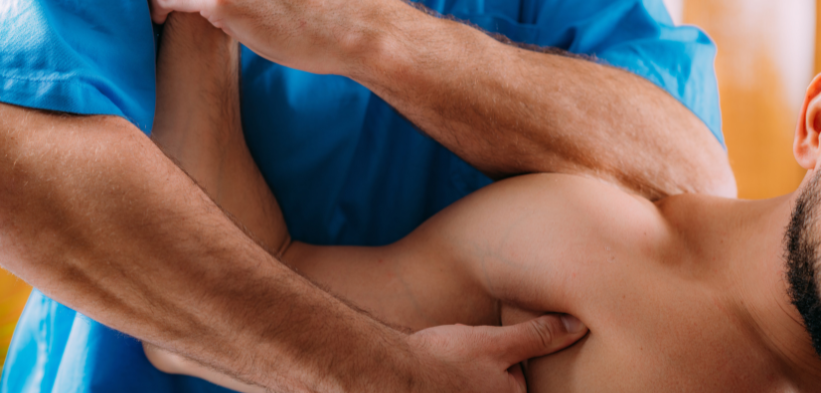
The initial phase of rehabilitation focuses on protecting the new joint and managing pain. Patients typically wear a sling to immobilize the arm while the tissues heal. Passive range-of-motion exercises are introduced, and the therapist moves the arm for the patient to prevent stiffness without stressing the repair.
As healing progresses, the patient moves into the active phase of recovery. This stage involves exercises in which the patient moves the arm without assistance, and it gradually increases the range of motion. Strengthening exercises are then introduced to rebuild the muscles surrounding the shoulder joint.
The final phase may involve functional training to help the patient return to specific daily activities or sports. This may include lifting light weights and performing more complex movements. The duration of the rehabilitation process varies, but it generally continues for several months post-surgery.
What Are the Benefits?
Engaging in a structured rehabilitation program offers numerous advantages for post-surgical patients. It helps accelerate the restoration of joint function and range of motion. Patients who participate in therapy may experience a quicker return to independence compared to those who do not. Rehabilitation also plays a significant role in pain management, as gentle movement and strengthening help reduce inflammation and prevent the formation of scar tissue that limits mobility.
Facilitate Your Recovery
The shoulder replacement surgery process concludes with a dedicated rehabilitation period. Understanding the procedure, the reasons for it, and the steps of recovery allows patients to actively participate in their healing. Adhering to the prescribed physical therapy regimen is an effective way to enable a successful outcome, so consult with your healthcare provider to establish a rehabilitation plan now.