
Many individuals spend significant time shaving or waxing on a weekly basis. Laser hair removal offers a technological alternative for managing unwanted body hair, and it targets the issue at the follicular level. Although the process requires an initial investment of time, it eventually leads to a substantial reduction in hair density.
Understanding Laser Hair Removal
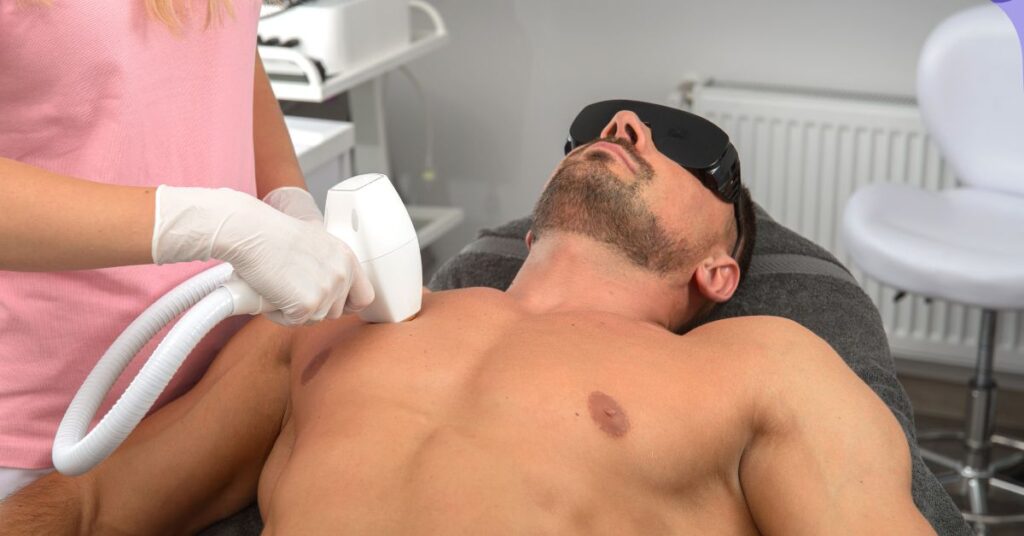
Laser hair removal devices emit a focused beam of light directly into the skin. The pigment within the hair shaft absorbs this light energy, but the surrounding tissue remains largely unharmed. Because the light converts to heat upon absorption, it effectively damages the tube-shaped sacs that produce hair.
This thermal damage inhibits or significantly delays future hair production. The existing hair sheds over the following weeks, and any new growth appears much finer than before. While individual biology affects the outcome, most people observe a visible difference after completing a few sessions.
Preparation Protocols
Proper preparation impacts the safety and success of the procedure. You must avoid sun exposure for several weeks before your appointment, and you should shave the area closely the day before. Because the laser targets pigment, recent tanning or sunburns interfere with the device’s ability to locate the hair follicle accurately.
Certain skincare products make the skin more sensitive to light energy. You should stop using acne medication and ointments in the treatment area, but gentle cleansers are usually acceptable. If the skin is irritated or compromised, the technician will likely reschedule the appointment to avoid potential complications.
Comparison with Temporary Methods
Traditional methods like shaving cut the hair only at the surface level. Waxing pulls hair from the root, yet the follicle remains intact and ready to produce new hair immediately. Since laser treatment damages the actual machinery of hair production, it offers a distinct mechanical advantage over these temporary solutions.
Many individuals also experience a significant reduction in ingrown hairs. The laser destroys the hair root, so the hair cannot curl back into the skin to cause inflammation. Since ingrown hairs often result in blemishes or discomfort, eliminating the root helps maintain clearer skin.
Safety and Side Effects
Professional devices possess built-in safety mechanisms to protect the epidermis. The technician adjusts the specific settings for your skin type, and cooling tips or gels minimize heat transfer to the skin surface. Although risks like temporary redness exist, following the aftercare instructions minimizes the chance of adverse reactions. The sensation during the pulse varies depending on the area and density of the hair. Some describe it as a rubber band snap, and others report a warm pinprick sensation.
Post-Treatment Care
The skin may look red or slightly swollen immediately after the session. You should apply aloe vera or ice packs to soothe the area, and you must avoid hot showers for roughly 24 hours. Since the skin is temporarily vulnerable to heat and light, applying a broad-spectrum sunscreen is mandatory whenever you go outside.
Shedding of the treated hair occurs naturally over the next two weeks. It might look like regrowth at first, but the hairs are actually pushing out of the damaged follicle. While you can exfoliate gently after a few days, you should never pluck or wax the hairs during this shedding phase.
Moving Forward with Maintenance
Laser hair removal simplifies the daily routine of personal grooming for many users. It offers a solution for long-term reduction, and it saves time previously spent on repetitive shaving or waxing. Although the upfront cost is higher than traditional hair removal methods, the long-term benefits often justify the investment for suitable candidates.