
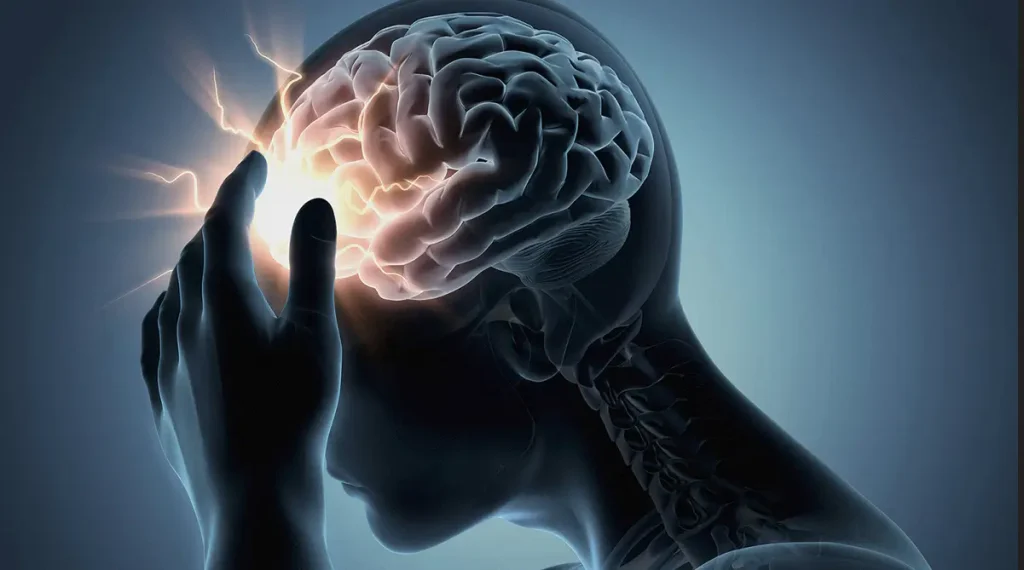
Brain surgery is performed for conditions such as tumors or vascular abnormalities. Both the presence of a brain condition and the effects of surgical treatment can alter cognitive function, and these changes may be temporary or lasting. Changes in cognition may be temporary or lasting, and these changes can influence a person’s abilities and activities after the procedure. Recognizing these potential effects supports planning for care and rehabilitation after surgery.
Cognitive Effects of Tumors
Intracranial tumors are associated with cognitive dysfunction before any intervention. Research indicates that between 60% and 90% of individuals with such tumors show impairments in cognitive abilities, and these impairments result directly from the tumor’s characteristics and the pressure it places on brain structures. These impairments result directly from the tumor’s characteristics, the pressure it places on brain structures, and associated inflammation in surrounding tissues.
Cognitive domains frequently affected include memory, attention, and executive function, which covers organizational skills, problem-solving, and self-monitoring. Difficulties arise with retaining new information or concentrating, and they also struggle to coordinate tasks that require both mental and motor skills. Deficits often extend to behavioral and emotional domains, which can impair daily routines, social interaction, and participation in professional tasks. In some studies, specific deficits have been noted in areas such as delayed recall, verbal retention, and mental balance. Brain surgery could be a viable option for relief.
Brain Surgery and Recovery
Surgical treatment for intracranial tumors removes or reduces the tumor’s physical influence on the brain. They may improve more noticeably after six months. In the study reviewed, cognitive dysfunction scores decreased significantly six months after the procedure, indicating measurable improvement. Changes were more apparent in non-malignant, non-irradiated tumors, and progress has been observed in mental balance, verbal retention of dissimilar pairs, and recognition. In other cognitive areas—such as recent memory, verbal retention to similar pairs, and visual retention—deficits may remain without marked improvement. The response to surgery can vary, and persistent dysfunction in certain cognitive domains is reported.
Factors Influencing Outcomes
Recovery after brain surgery is affected by several factors. Benign tumors are associated with improved cognitive scores compared to malignant lesions, especially when there is no exposure to radiation, and tumor location also contributes to outcome. Location also contributes, with tumors in regions that serve memory or language often resulting in more pronounced deficits. Cognitive function tends to be poorer in those who receive radiotherapy, and radiation can raise dysfunction scores. Radiation can raise dysfunction scores, and neurotoxicity or radiation-induced inflammation may impact recovery.
Some patients show a mild decline in cognitive status one month following radiotherapy, which may be temporary. Patients with additional chemotherapy may have persistent issues with memory and cognitive processing speed, though some research does not identify substantial additional deficits at all time points. The initial extent of cognitive dysfunction before any intervention is an important consideration, and deficits caused directly by the tumor process may persist regardless of later treatment decisions. The degree of surgical intervention can influence post-surgical cognitive function, and surgical technique is designed to avoid unnecessary harm to functioning brain tissue.
Schedule an Appointment
Many individuals with intracranial tumors display cognitive dysfunction before treatment. Surgery may produce a limited short-term change in cognitive scores, but it can lead to significant functional improvement after six months, particularly for those with benign, non-irradiated tumors. Some cognitive deficits, especially in areas like memory or visual retention, can persist beyond this period. Cognitive outcomes depend on tumor characteristics, treatment methods, and baseline impairment, and ongoing assessment may help guide care. Ongoing assessment and consideration of post-surgical cognitive rehabilitation may support better participation in daily life and activities.