
Receiving a skin cancer diagnosis can bring up many questions about what comes next. Learning about the available treatment paths is a helpful step in understanding the process. The goal of skin cancer treatment is to remove or destroy the cancerous cells. A range of medical procedures and therapies exists to accomplish this, and the approach taken depends on many individual factors. A dermatologist will recommend a plan tailored to the specific diagnosis.
How Is Skin Cancer Treated?
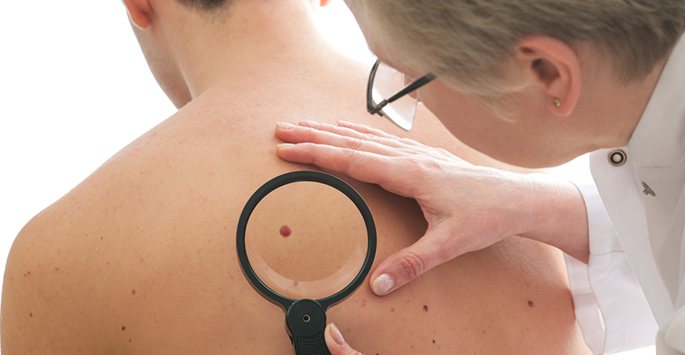
The primary objective in treating skin cancer is the complete removal of the malignancy. Medical professionals use various techniques to target cancerous tissue while preserving as much healthy tissue as possible. The chosen method depends on the type of skin cancer, its size, and its location on the body. A specialist, such as a dermatologist, evaluates the lesion to determine the most suitable course of action.
Treatment plans are highly individualized. For some, a simple in-office procedure may be sufficient to address the cancerous growth. For others, a combination of treatments could be recommended to manage the condition effectively. The process starts with a thorough examination and diagnosis, which lays the groundwork for all subsequent steps. Your healthcare team will guide you through the process, explaining what to expect from the chosen treatment.
Which Treatments Are Common?
Many effective treatments are available for skin cancer. A dermatologist will discuss which options are most appropriate for your specific situation. These procedures are designed to remove or destroy the cancer cells with precision.
- Excisional Surgery: This procedure involves cutting out the cancerous tumor and a small margin of surrounding healthy skin. It is a common treatment for many types of skin cancer.
- Mohs Surgery: During this precise surgical procedure, a surgeon removes thin layers of skin one at a time. Each layer is examined under a microscope until no cancerous cells remain. This technique is often used for cancers in sensitive or visible areas.
- Cryotherapy: This treatment uses liquid nitrogen to freeze and destroy the cancerous cells. The frozen tissue then falls off, allowing healthy skin to grow in its place. It is typically used for precancerous spots or very early-stage skin cancers.
- Topical Treatments: Certain creams, gels, or solutions can be applied directly to the skin to treat some early-stage skin cancers. These medications work over several weeks to eliminate the cancerous cells.
- Radiation Therapy: This approach uses high-energy beams to destroy cancer cells. It may be used when surgery is not a good option or to treat any cancer cells that might remain after surgery.
Each of these treatments has a specific purpose and is selected based on a careful evaluation of the skin cancer. Your doctor will explain why a particular method is recommended for you.
What Factors Guide Treatment?
Several elements influence the selection of a skin cancer treatment. A medical professional reviews these details to create a personalized plan that addresses the specific needs of the patient. This careful evaluation helps determine the most effective path forward.
- The type of skin cancer
- The size and depth of the tumor
- The location of the cancer on the body
- The stage of the cancer
- The patient’s overall health
Understanding these factors can help you feel more prepared for conversations with your medical team. Your doctor will weigh all these points when recommending a course of action.
Consult a Dermatologist
Navigating a skin cancer diagnosis involves working closely with a medical professional. A board-certified dermatologist has the expertise to diagnose skin cancer and recommend an appropriate treatment plan. They can answer your questions and provide detailed information about your options. Scheduling a consultation is a proactive step toward managing your skin health. Your dermatologist is your partner in this process, offering guidance and support.