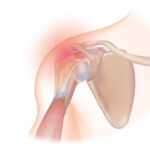

Targeted exercise plays a critical role in managing knee pain by improving joint stability, enhancing flexibility, and strengthening the muscles that support the knee. Whether caused by injury, overuse, or age-related wear and tear, knee pain can limit mobility and affect daily activities. Incorporating structured strengthening exercises into a routine can help reduce discomfort, prevent further strain, and support long-term joint health.
1. Knee Pain Mobility Exercises
Before you jump into strengthening, you need to warm up the joints. Mobility exercises increase blood flow to the area and reduce stiffness, which is especially helpful if you deal with arthritis knee pain.
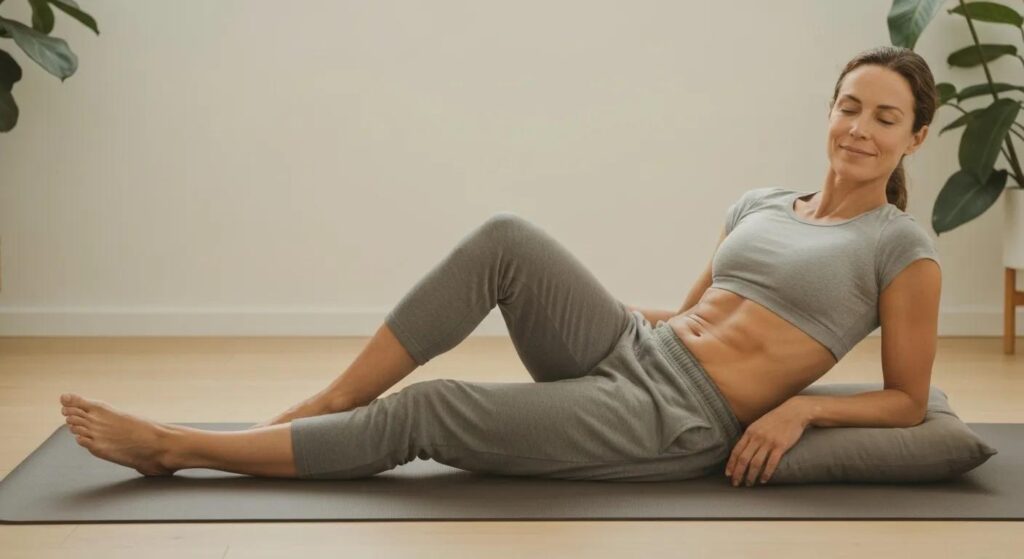
- Heel Slides: Lie on your back with your legs extended. Slowly slide one heel toward your buttocks, bending the knee as far as is comfortable, then slide it back down. Repeat this 10 times on each leg.
- Seated Knee Extension: Sit in a sturdy chair with your feet flat on the floor. Slowly straighten one leg out in front of you until it is parallel to the floor, hold for a few seconds, and lower it back down.
2. Quadriceps Strengthening for Knee Stability
Your quadriceps are the powerful muscles on the front of your thighs that act as shock absorbers for your knees. When strong, these muscles reduce stress on the knee joint, which can help minimize knee pain and wear and tear. Strengthening your quads is a great way to support your knees and improve overall joint health.
- Straight Leg Raises: Lie on your back with one leg bent while keeping the other straight. Tighten the thigh muscles of the straight leg and lift it about a foot off the ground. Hold this for 3-5 seconds, then lower it slowly.
- Wall Sits: Stand with your back against a wall and your feet shoulder-width apart. Slide down the wall until your knees are slightly bent. Hold this position for 20-30 seconds.
3. Hamstring Glute Strengthening: Joint Support
The quads are necessary, but the back of the leg shouldn’t be overlooked. Weak hamstrings and glutes can create muscle imbalances, putting extra strain on the knees. Strengthening these posterior muscles helps support the knee from all sides, improving stability and reducing the risk of injury.
- Hamstring Curls: Stand behind a chair for balance and bend one knee, bringing your heel toward your glutes. Keep your thighs parallel and your upper body still, then lower your foot back down slowly and in control.
- Glute Bridges: Lie on your back with knees bent and feet flat on the floor. Squeeze your glutes and lift your hips toward the ceiling to form a straight line from shoulders to knees. Lower your hips back down.
4. Balance and Functional Training
Balance exercises may not seem connected to knee pain, but they play a key role in preventing injuries. These exercises train the small stabilizing muscles around the knee joint to react quickly to changes in movement or terrain. Improved balance leads to a more stable knee and reduces the risk of falls or strains.
- Single-Leg Stands: Stand near a wall or counter for support. Lift one foot slightly off the ground and balance on the other leg for 20-30 seconds. If you feel steady, release the support to engage the muscles around your standing knee.
- Step-Ups: Use a low step or sturdy book. Step up with one foot, fully straighten your leg, then step back down. Repeat this 10 times on each side.
Book Your Appointment Today
Living with knee pain can be excruciating. But incorporating the highlighted strengthening and mobility exercises into your routine will help you build a stronger foundation for your knees and reduce daily discomfort.
Consistency is key here, but if your pain persists despite your best efforts, or if you suspect an underlying issue like osteoarthritis or an ACL injury, professional intervention is necessary. Schedule a consultation with a board-certified vascular specialist to explore advanced treatments.