
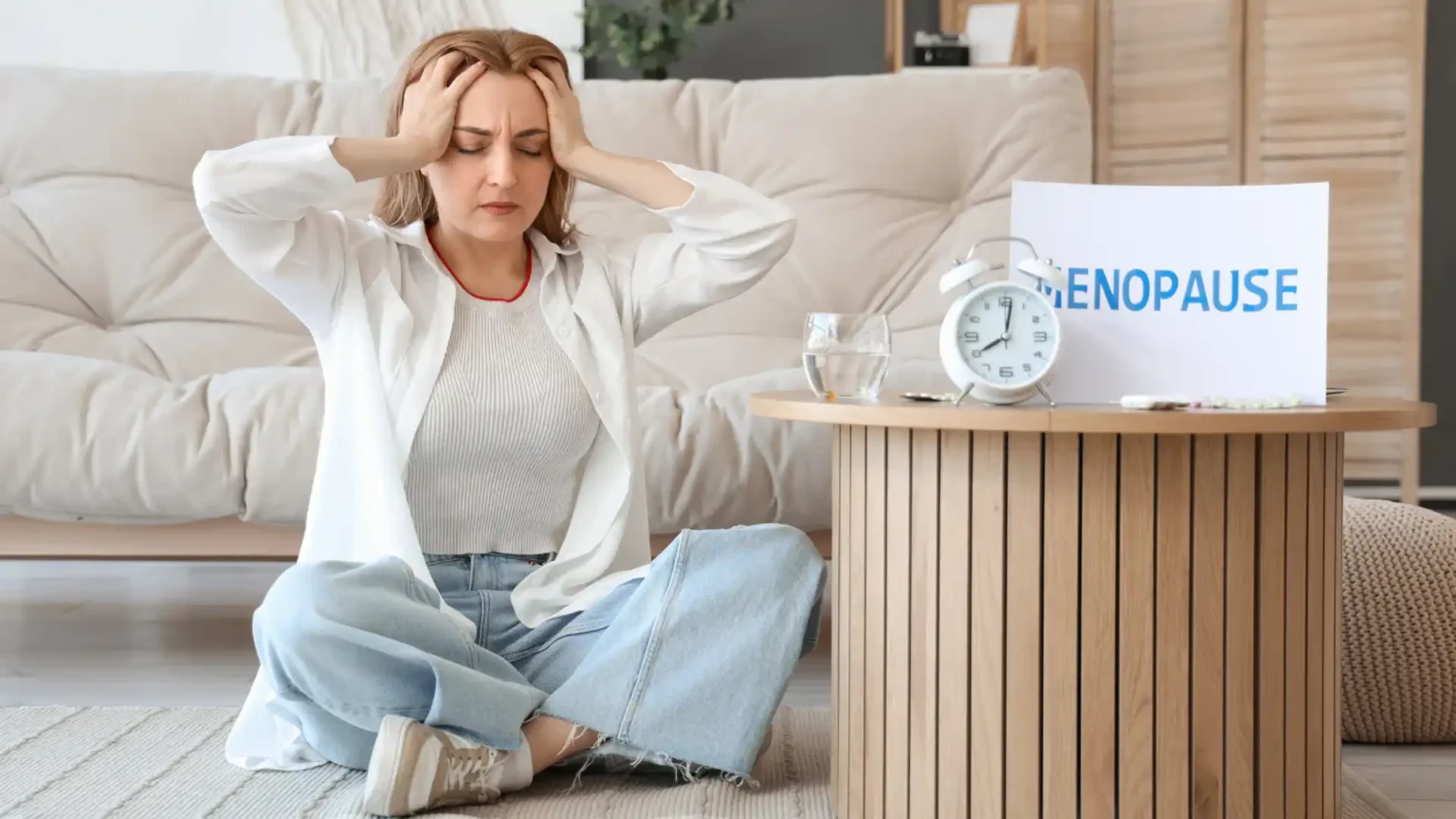
Menopause symptoms cause physical changes. Ovaries reduce estrogen production, and menstrual cycles eventually stop. When estrogen declines, symptoms begin. You experience bodily changes, and daily routines require adjustments for the symptoms.
Symptoms of Menopause
Hot flashes spread warmth throughout the body, and they may occur at any time of day. You experience insomnia or mood swings that affect concentration and daily tasks. Estrogen fluctuations can cause vaginal dryness, making sleep difficult and affecting energy levels. Some individuals notice that hot flashes lead to night sweats. These disturb sleep and cause morning forgetfulness or mood changes. Physical changes include heart palpitations, headaches, or joint and muscle discomfort. Hormonal shifts lead to heavier or lighter periods before they stop. Cycles become less predictable during perimenopause. You notice dry skin, dry mouth, or dry eyes, which can affect comfort and vision. Other menopause symptoms are breast tenderness, more noticeable premenstrual syndrome, or urinary urgency that prompts changes to daily habits.
Stages of Menopause
The transition involves three stages. Perimenopause brings irregular periods, and menopause marks their end. After one year passes without periods, postmenopause begins. Each stage of menopause presents its own changes. During perimenopause, cycles become less predictable, and bleeding patterns change. Hormone levels shift gradually. This increases symptoms such as hot flashes, mood swings, and sleep difficulties. This phase lasts for several years. Menopause is defined as 12 consecutive months without a menstrual period. This stage marks the end of ovulation, and it is usually noted by a decrease in estrogen production.
Some people experience changes in symptoms, while others notice certain effects persist. Menopause is confirmed by a healthcare provider after reviewing your history and symptoms. Postmenopause is the stage following menopause, and it continues for the rest of your life. Some symptoms reduce in frequency or intensity, but others persist. Regular check-ins with your healthcare provider are helpful. Some people use this time to focus on bone and heart health, adjusting routines as their needs change. Tracking your symptoms and staying informed supports well-being throughout postmenopause.
Treatments for Menopause
Treatments focus on managing symptoms and supporting daily routines as your needs change. Hormone Replacement Therapy (HRT) is suggested for some individuals to provide relief from symptoms. Non-hormonal medications are available for mood changes, sleep issues, or other symptoms if HRT is not an option. Vaginal estrogen is used for local symptoms, such as dryness or discomfort during intimacy, and it reduces some urinary symptoms. Supplements provide extra nutritional support. Review these with your healthcare provider to determine if they are appropriate for you. Lifestyle modifications can support overall health during menopause. Regular physical activity supports metabolism, and it maintains bone and muscle strength. Increasing calcium and vitamin D intake through diet or supplements promotes bone health. A diet with whole grains, lean proteins, and plant-based fats supports nutritional needs and helps manage weight.
Treat Menopause Symptoms Today
Menopause requires proper management. You must prioritize bone health and stay active. When symptoms disrupt daily life, consult a provider. Regular check-ins remain recommended. Providers monitor your health, and they offer tailored guidance. Although symptoms pose challenges, treatments exist.