

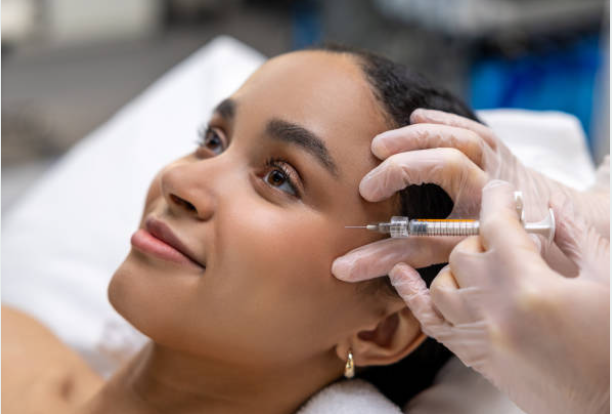
The skin is the body’s largest organ, and maintaining its health requires specialized medical attention when issues arise. Dermatology focuses on the diagnosis and treatment of conditions affecting the skin, hair, and nails. This field encompasses a wide range of therapies designed to manage both acute and chronic issues effectively.
What Is Dermatology?
Dermatology is a specialized branch of medicine dedicated to the health of the skin, hair, and nails. A dermatologist possesses the expertise to manage diseases ranging from acne to skin cancer, and they use various medical techniques to improve patient outcomes. This specialty combines medical, surgical, and cosmetic approaches to provide comprehensive care for patients of all ages.
What Are the Available Services?
Medical dermatology focuses on diagnosing and treating diseases that affect the skin’s function and appearance. Treatments include topical medications, systemic drugs, or light therapies. Conditions such as eczema, psoriasis, and rosacea fall under this category. Medical dermatologists aim to control symptoms, and they help prevent complications associated with these chronic disorders.
Surgical dermatology involves procedures to remove or repair skin lesions. This subfield includes biopsies, excision of skin cancers, and the removal of cysts or benign growths. Mohs surgery is a specialized technique used to treat skin cancer while sparing healthy tissue. These procedures may be performed in an office setting, and they are done under local anesthesia.
What Conditions Do Dermatologists Treat?
Acne is a common skin condition, and dermatologists treat various forms of it, including blackheads, whiteheads, and deep cysts. Effective management helps prevent scarring and reduce inflammation. Treatment plans may combine topical agents with oral antibiotics or retinoids.
Skin cancer screening and treatment are valuable aspects of dermatological care. Melanoma, basal cell carcinoma, and squamous cell carcinoma are the primary types of skin cancer diagnosed. Early detection may improve prognosis and treatment outcomes. Regular skin examinations allow doctors to identify suspicious moles, and they can locate lesions before they progress.
Dermatitis and eczema are inflammatory skin conditions that cause itching and redness. These conditions result from allergic reactions, irritants, or genetic factors. Dermatologists identify triggers, and they prescribe medications to soothe irritated skin. Management strategies may also include lifestyle modifications to maintain the skin barrier.
What Does an Appointment Involve?
A standard appointment begins with a review of the patient’s medical history, and the doctor may ask about current medications, allergies, and specific skin concerns. This information provides context for the physical examination that follows. Dermatologists may use a dermatoscope to magnify lesions and examine pigment patterns. This tool aids in distinguishing between benign and malignant growths.
How Is Professional Care Beneficial?
A dermatologist provides a diagnosis based on medical expertise and clinical evidence. Professional evaluation differentiates between conditions that may appear visually similar but require different therapies, and this precision promotes faster healing. Professional care grants access to prescription-strength medications and advanced technologies. Dermatologists also monitor treatment progress and adjust therapies as needed, helping to keep the patient safe over time.
Visit a Dermatologist Today
Skin health is integral to overall well-being, and regular visits to a dermatologist help detect serious conditions such as skin cancer early. Schedule an appointment to address your skin, hair, or nail concerns. A qualified dermatologist will create a personalized treatment plan tailored to your specific needs to protect your health and restore your skin’s function.