

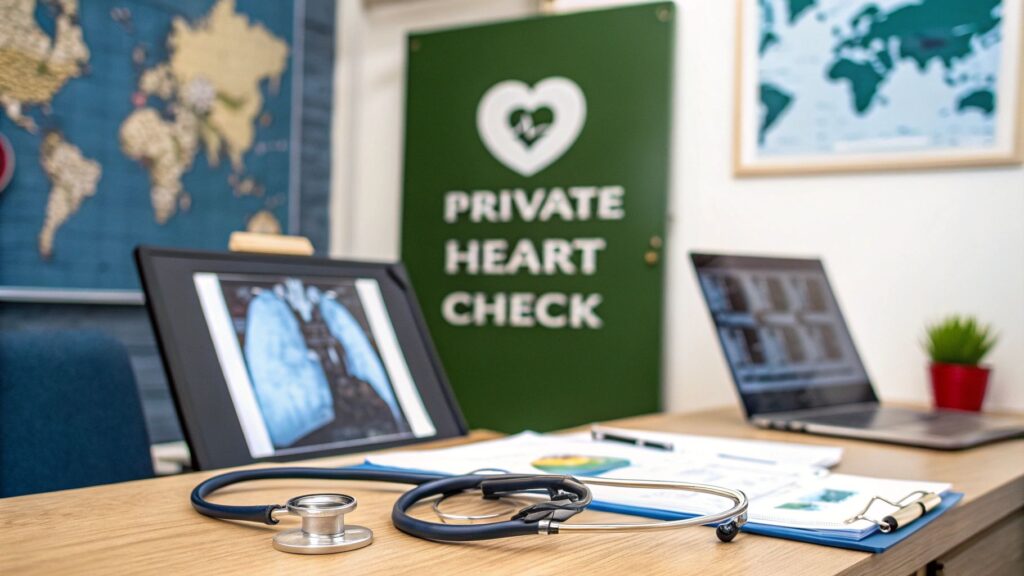
To prepare for an appointment with a heart specialist, it’s helpful to know what to expect. A cardiologist specializes in diagnosing and treating heart and blood vessel conditions. This first meeting is about gathering information to get a complete picture of your health. The doctor will ask about your medical history, lifestyle, and family history to create a foundation for your care plan.
How Is Risk Assessed?
The assessment begins the moment you step into the exam room. A nurse or technician usually checks your vital signs, including blood pressure, heart rate, and weight. These numbers give the doctor a baseline to work from. High blood pressure or an irregular heart rate often signal underlying issues that require attention. The cardiologist reviews these numbers carefully alongside your medical records.
Your family history provides clues about potential genetic risks. If your parents or siblings had heart disease, your risk might be higher. The doctor will ask specific questions about the ages of diagnosis and the types of heart conditions in your family. Lifestyle factors like smoking, diet, and exercise habits also come under review. Honest answers help the doctor calculate your overall risk profile accurately.
Physical examinations allow the doctor to listen to your heart and lungs directly. They use a stethoscope to check for murmurs or irregular rhythms. They might also check your ankles for swelling or your neck for pulsing veins. These physical signs often reveal problems that numbers on a chart might miss. This hands-on approach completes the initial risk assessment.
What Symptoms Matter Most?
You likely scheduled this appointment because you noticed changes in how you feel. The doctor needs to know exactly what you experience in your daily life. They will ask detailed questions to pinpoint the nature of your discomfort. Be ready to describe when symptoms start and how long they last.
Common symptoms discussed during a visit include:
- Chest pain or pressure
- Shortness of breath
- Palpitations or fluttering feelings
- Dizziness or lightheadedness
- Fatigue
- Swelling in the legs or feet
Sharing these details helps the doctor narrow down potential causes. Pain that occurs during exercise differs from pain that happens at rest. Shortness of breath while lying down suggests different issues than breathlessness while walking. The cardiologist uses these distinctions to guide their next steps. Every detail you share contributes to a more accurate diagnosis.
Which Tests Are Ordered?
After the exam and discussion, the doctor may need more data to see how your heart functions. Diagnostic tests provide images and measurements that a physical exam cannot offer. Some tests happen right in the office, while others require a separate appointment. The specific tests depend on your symptoms and risk factors.
Common diagnostic tools include:
- Electrocardiogram (EKG): This test records the electrical activity of your heart through small sticky sensors placed on your chest.
- Echocardiogram: Sound waves create a moving picture of your heart to show its size and structure.
- Stress Test: Doctors monitor your heart rate and rhythm while you walk on a treadmill to see how your heart handles physical activity.
- Holter Monitor: You wear a small device for 24 to 48 hours to record your heart rhythm during normal daily activities.
- Blood Tests: These check for cholesterol levels, fats, and other markers that indicate heart health.
The results from these tests confirm or rule out specific conditions. An EKG might show an irregular rhythm, while an echocardiogram reveals a valve problem. Understanding these results allows the doctor to create a tailored treatment plan. You will usually review these findings at a follow-up appointment. This data-driven approach leads to better health outcomes.
Consult a Cardiologist
Taking care of your heart involves proactive steps and open communication with your medical team. Regular check-ups allow doctors to catch potential issues early when they are most treatable. If you experience concerning symptoms or have a family history of heart disease, schedule a visit soon. A cardiologist provides the expertise and support needed to keep your heart strong for years to come.