
A vein clinic provides specialized medical care focused on the circulatory system, including the arteries and veins. These facilities employ specialists who diagnose and treat conditions that affect blood flow throughout the body, and patients may visit a vein clinic to address aesthetic concerns or manage complex medical needs related to vascular health. Here is more information about vein clinics and the various services they may offer:
Arterial Conditions
Medical professionals at a vein clinic may recommend vascular treatments to restore proper circulation. Peripheral artery disease affects millions of individuals, and specialists use angiography to visualize blockages within the limbs. Carotid endarterectomy involves the surgical removal of plaque from neck arteries, helping to prevent strokes in high-risk patients. Because blockages restrict oxygenated blood flow, timely intervention helps maintain tissue health.
To keep arteries open, a provider may use a stent. Surgeons may also perform a peripheral artery bypass to create new pathways around blocked vessels, or they may utilize transcarotid artery revascularization to protect brain function. These interventions address the high-pressure system of the body. Successful outcomes rely on precise diagnostic imaging and expert surgical techniques.
Aortic Conditions
The aorta serves as the primary channel for blood leaving the heart. If a section of this large vessel weakens and bulges, doctors may identify an aortic aneurysm. Open repair surgery involves replacing the damaged section with a synthetic graft, but many patients qualify for less invasive options. Endovascular aortic aneurysm repair uses a stent-graft inserted through the groin to reinforce the vessel wall from the inside.
Medical teams monitor the diameter of the aorta to determine the timing for these repairs. While some small aneurysms require only periodic imaging, larger ones carry a higher risk of rupture. Physicians prioritize minimally invasive techniques when the patient’s anatomy allows for such approaches, and this specialized care focuses on the most significant artery in the human body.
Venous Conditions
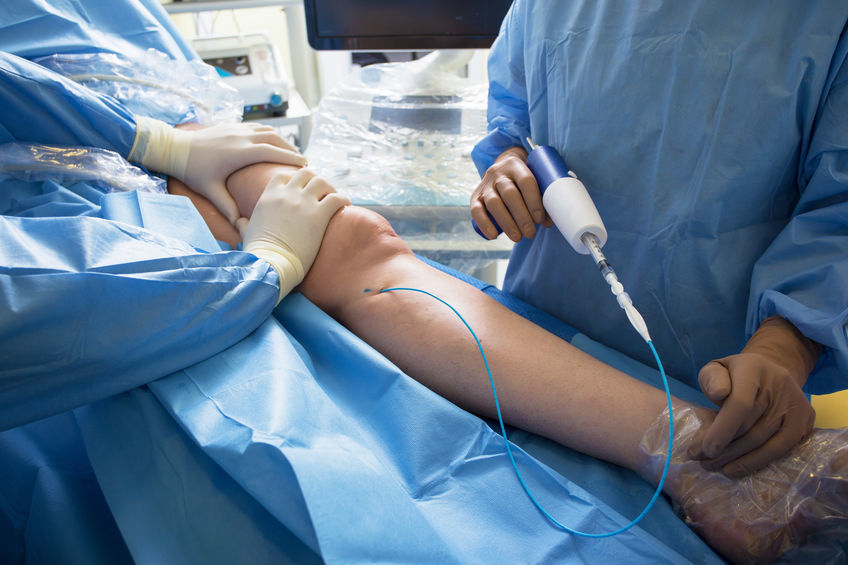
Varicose veins occur when small valves within the vessels stop working correctly, and blood begins to pool in the legs. Modern clinics offer thermal ablation or sclerotherapy to close these problematic veins. Although these conditions sometimes appear as cosmetic issues, they can lead to discomfort or skin ulcers if left untreated. Here are some symptoms of varicose veins:
- Visible, twisted veins that are blue or purple
- Sensation of heaviness in the legs
- Swelling in the legs
- Pain or itching
Specialized devices like the Clottriever allow doctors to remove some types of blood clots from veins without traditional surgery. For patients scheduled to receive dialysis treatment, vascular specialists can create dialysis access points such as fistulas or grafts. These access sites can be maintained through regular checkups to support long-term health.
Find a Vein Clinic Today
A vein clinic offers solutions for a wide range of circulatory conditions. They offer preventative screenings, and they also provide complex surgical repairs. Whether you need a dialysis access or treatment for varicose veins, you can visit a vascular specialist to get the services you need. To learn more about the services a vein clinic offers and how they can benefit you, consult a clinic near you today.