
Dental Implants are a solution for replacing missing teeth and restoring oral function with long-term stability. Understanding what to expect during a dental implant procedure helps patients prepare for each stage of treatment. Here is more information on what patients can expect during a dental implant procedure:
Preparing for Implants
The dentist performs a comprehensive examination before scheduling the surgery for dental implants. This first visit includes digital X-rays or 3D imaging to assess the condition of the jawbone, and a comprehensive review of the patient’s medical history helps identify factors that may affect healing. If the patient has insufficient bone density, the dentist may recommend a bone graft prior to implant placement. The dental team discusses sedation options to maintain patient comfort during surgery.
Placing Dental Implants
The surgery is performed in an outpatient setting under local anesthesia or sedation; the provider adheres to a sterile protocol to minimize the risk of infection. Here’s what patients can generally expect during the procedure for dental implants:
- The dentist administers local anesthesia to numb the surgical site completely.
- An incision is made in the gum tissue to expose the underlying jawbone.
- The provider uses specialized drills to create a space in the bone for the implant.
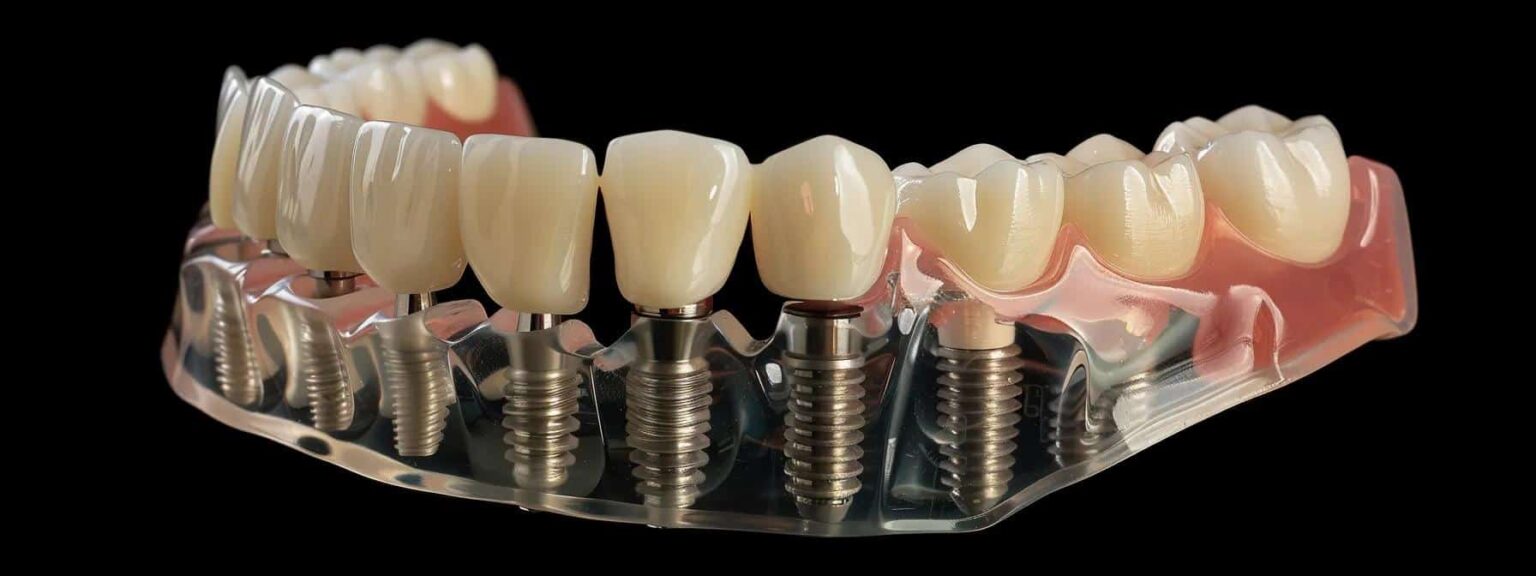
- The titanium implant post is placed deep into the jawbone to serve as the new root.
- The dentist places a cover screw or healing cap over the implant to protect it.
- Sutures are used to close the gum tissue over the implant site to promote healing.
The duration of this surgery depends on the number of implants placed and the complexity of the case.
Healing After Surgery
Recovery involves a biological process called osseointegration, where the bone fuses with the implant. This provides the stability required for the new tooth to function like a natural one. Patients must follow specific postoperative instructions to facilitate proper healing, including the following:
- Manage mild swelling and discomfort with prescribed pain relievers or ice packs.
- Adhere to a soft-food diet for the first few days to avoid pressure on the site.
- Maintain oral hygiene by gently brushing teeth while avoiding the surgical area.
- Avoid smoking or using tobacco products, as these delay the healing process.
- Attend follow-up appointments so the dentist can monitor the post’s integration.
The healing period lasts several months but provides a stable foundation for the final tooth restoration.
Maintaining Implant Health
Once the jawbone heals around the post, the dentist attaches an abutment to the implant. This piece connects the internal screw to the visible part of the restoration. The dental laboratory creates a custom crown that matches the color and shape of the surrounding teeth, and the provider cements or screws this final restoration onto the abutment to complete the process.
Long-term success depends on consistent oral hygiene habits and regular professional cleanings. Patients should brush twice daily and floss around the implant to prevent gum inflammation. Regular check-ups allow the dentist to monitor the stability of the restoration over time.
Book Your Dental Implants Appointment
Dental implants offer a durable method for replacing missing teeth and restoring bite function. The process requires careful planning, surgical placement, and a dedicated healing period. Following the dentist’s instructions leads to a successful outcome and improved oral health. Contact a trusted dental practice near you to book your tooth implant appointment today and determine if this treatment is right for you.