
The nasal septum is the wall of bone and cartilage that divides your nose into two separate nostrils. When this wall is crooked, it is called a deviated septum, a condition that may lead to breathing difficulties. While many people have some deviation without issues, others experience significant discomfort that benefits from medical attention. Here is more information about specialized care from a sinus and nasal specialist:
Treating Nasal Conditions
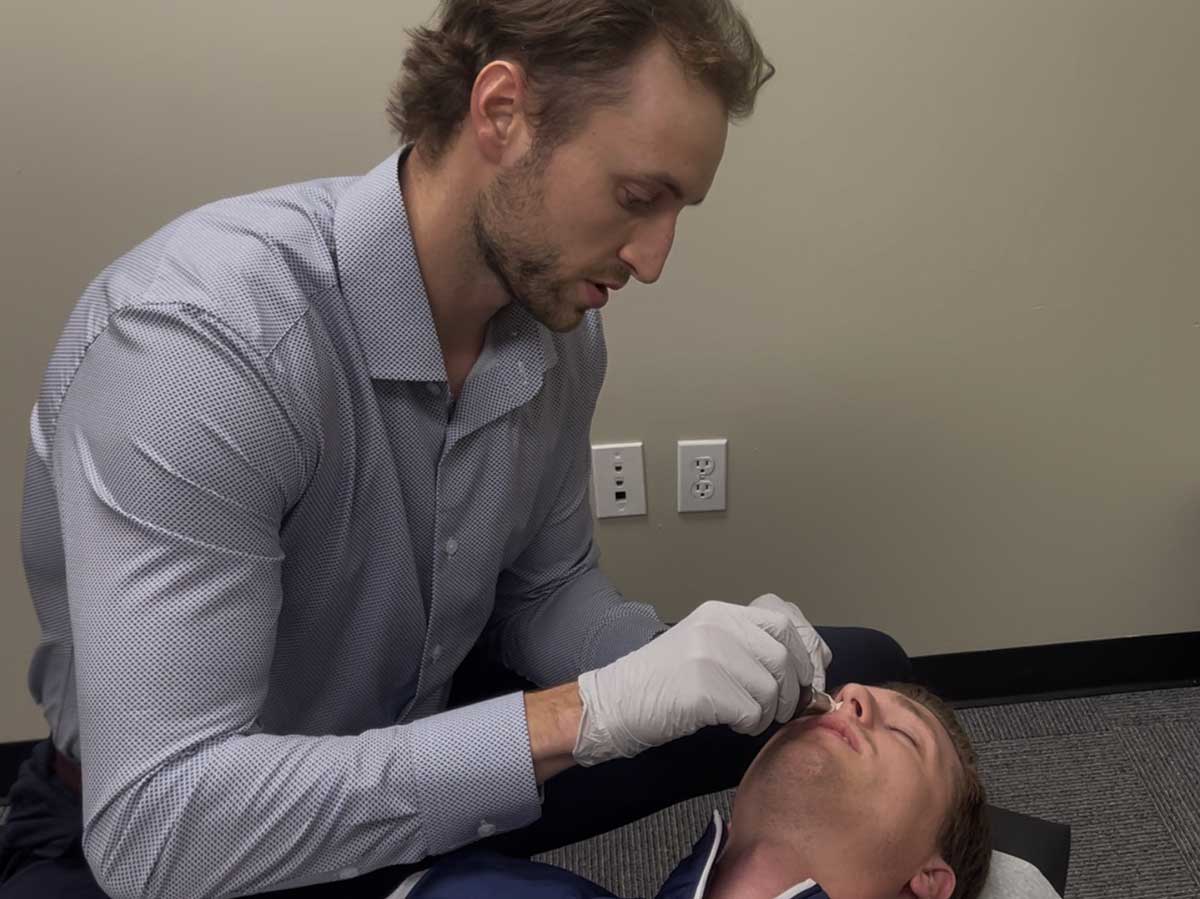
A sinus and nasal specialist, also known as an ENT, has advanced training in diagnosing and treating disorders of the ear, nose, and throat. These medical professionals use specific tools to examine the nasal passages, so they are able to identify the underlying cause of your symptoms. After a thorough evaluation, a specialist will develop a personalized treatment plan for you.
Resolving Chronic Symptoms
A specialist can work to identify the root cause of ongoing symptoms, including congestion, facial pressure, or a reduced sense of smell. An ENT can perform diagnostic tests, such as a nasal endoscopy or a CT scan, which provide detailed images of your sinus cavities. With a precise diagnosis, you can receive a targeted approach designed to manage your specific health needs.
Specialists also address symptoms that do not improve with standard treatments. They evaluate your medical history and previous therapies to understand what has and has not worked. This comprehensive review helps them find alternative strategies when initial approaches fall short.
Managing Medications
Properly managing medications is a key part of sinus and nasal care. A specialist can determine the right type and dosage of medication, such as nasal steroid sprays, antihistamines, or decongestants, for your condition. They also monitor your progress and make adjustments to your treatment plan as needed. This oversight helps manage symptoms effectively while minimizing potential side effects.
Your specialist will provide clear instructions on how to use prescribed medications for the best results. They can show you the correct technique for using a nasal spray, which allows the medication to reach the intended area within the nasal passages. This guidance supports the overall effectiveness of your treatment. They can also explain the differences between various over-the-counter options and prescription therapies, helping you make informed decisions about your health.
Addressing Abnormalities
Structural issues within the nose often require a specialist’s attention. An ENT is qualified to diagnose and manage physical abnormalities that affect breathing and sinus function. Some of these issues include:
- Deviated septum
- Nasal polyps
- Enlarged turbinates
These abnormalities can block airflow and prevent proper sinus drainage. A specialist can assess the extent of the issue and recommend an appropriate course of action, which may include procedural interventions if conservative treatments are ineffective.
When a deviated septum causes significant breathing problems, recurring sinus infections, or other persistent symptoms, a specialist can offer solutions. They will typically first confirm that the septum is the source of the issue before discussing your options. While medication may help manage symptoms like congestion, it will not correct the underlying structural problem.
Treat a Deviated Septum
For long-term relief from a severely deviated septum, a surgical procedure might be suggested. These are designed to straighten the septum, improving airflow through the nose. If you are experiencing persistent nasal issues, speaking with a specialist is a practical next step. Schedule an appointment to discuss your symptoms and learn about available treatment options.