

Many people find themselves relying heavily on oral medications or invasive surgeries just to find relief from joint pain. There is another option that might help manage your symptoms without the need for daily pills or long recovery times. Botox, best known for cosmetic use, is now also used to treat chronic pain, including some joint problems. It is not a cure for underlying conditions, but it helps reduce pain signals and improve quality of life. You can include Botox injections as part of a comprehensive pain management plan.
What Conditions are Treated
Not every type of joint pain responds to Botox, but specific conditions have shown positive results in clinical settings. Doctors may recommend this treatment when traditional therapies, such as physical therapy or anti-inflammatory drugs, do not work. It is particularly useful for localized pain where muscles surrounding the joint contribute to the discomfort.
Common conditions that may benefit from Botox injections include:
- Osteoarthritis: This wear-and-tear arthritis often affects knees and shoulders. Botox can help relax the muscles around these joints, reducing tension and pain.
- Chronic Knee Pain: For those who are not candidates for knee replacement surgery, Botox offers a way to manage pain and maintain mobility.
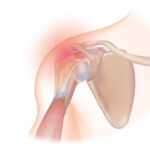
- Shoulder Pain: Reducing muscle spasms may improve conditions like frozen shoulder or rotator cuff issues.
- Temporomandibular Joint (TMJ) Disorders: This is one of the most common therapeutic uses of Botox, helping to relax the jaw muscles and alleviate pain.
By targeting the specific muscles and nerves associated with these conditions, Botox provides a focused approach to pain relief. Your doctor will evaluate your medical history to determine whether your condition is a good fit for this treatment method.
How it Works
Botox is a neurotoxin derived from Clostridium botulinum, and it works by blocking nerve signals in the muscles where it is injected. When used for joint pain, the goal is not to paralyze the muscle entirely but to reduce its ability to contract forcefully. This relaxation decreases the tension on the tendons and the joint itself. Recent research suggests that Botox may also inhibit the release of specific neurotransmitters that transmit pain signals to the brain. This dual action, relaxing the muscle and dampening pain transmission, can provide significant relief for chronic sufferers.
The doctor typically performs this relatively quick procedure in their office. They clean the skin around the painful joint, and a fine needle is used to inject small amounts of Botox into specific muscles or areas around the joint. The doctor may use ultrasound guidance to precisely place the medication. Because the treatment is localized, it avoids side effects like drowsiness that can accompany oral pain medications.
How Long it Lasts
It is advisable to manage expectations regarding how quickly you will feel relief. Unlike a cortisone shot, which might work within days, Botox typically takes about one to two weeks to reach its full effect. You might start noticing a decrease in muscle tension and pain levels during this initial period. The relief provided by Botox is temporary but can be long-lasting compared to other non-surgical options. Most patients experience pain relief for three to six months. Once the effects wear off, the muscles regain their ability to contract, and pain may return.
The results fade over time, and repeat treatments are necessary to maintain pain relief. Your healthcare provider will work with you to establish a schedule that keeps your symptoms under control. Many patients find that scheduling injections every three to four months helps them maintain a consistent level of comfort and activity.
Ask About Botox for Joint Pain Today
If traditional treatments haven’t provided the relief you need, it might be time to discuss other options with a specialist. Botox presents a viable alternative for many individuals seeking to manage their pain without surgery. We encourage you to reach out to a pain management specialist to discuss your specific symptoms. They can provide a thorough evaluation, and they can help you decide if Botox is the right step for your pain management. Taking this step could be the key to regaining your mobility and improving your daily life.