
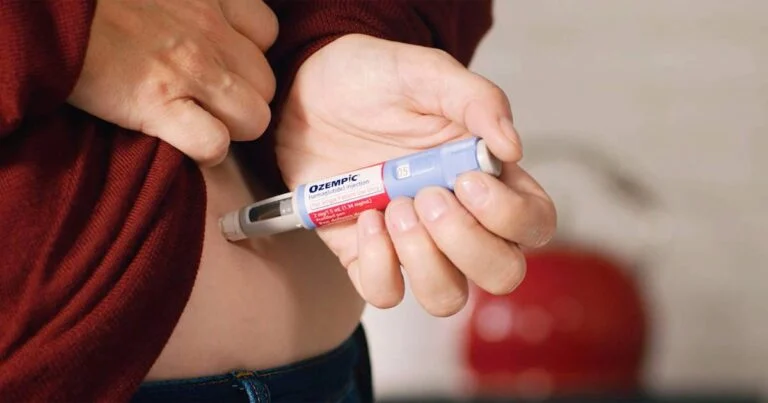
Tirzepatide is a prescription medication used in the management of type 2 diabetes that has also shown meaningful effects on body weight. For many patients, weight reduction can improve glycemic control and reduce the risk of complications associated with insulin resistance and cardiometabolic disease. Here’s a closer look at the role of tirzepatide in weight loss for type 2 diabetes patients:
Supporting Weight Loss and Diabetes
This medication is unique because it targets two specific hormone receptors in the body. Tirzepatide activates the GLP-1 and GIP receptors, which are involved in hunger signaling and insulin release. When these receptors are active, the stomach empties more slowly after a meal. This process helps you feel full for longer and reduces the urge to snack between meals.
The drug also prompts the pancreas to release insulin when blood sugar is high. This action helps maintain stable glucose levels throughout the day. Stable blood sugar prevents the energy crashes that often lead to overeating or craving sugary foods. The medication helps the body use sugar for energy rather than storing it as fat.
Reviewing Outcomes
Clinical studies demonstrate that tirzepatide produces measurable results for many individuals. Participants in various trials experienced significant changes in their body composition over several months.
- Many patients lost between 10% and 15% of their body weight during the treatment period.
- Participants experienced a reduction in waist circumference, indicating a loss of abdominal fat.
- Blood pressure and cholesterol levels often improved alongside weight loss.
- Studies showed that weight loss continued over a period of 72 weeks with consistent use.
- Patients with Type 2 diabetes lost more weight on this drug compared to other standard diabetes medications.
These findings suggest that the medication is effective for long-term health improvements beyond just glucose control.
Choosing Candidates
Doctors evaluate specific criteria to determine if a patient is a good candidate for this therapy. They review medical history, current weight, and diabetes status to make sure it is safe. Here is what you can expect with tirzepatide treatment:
- Adults with Type 2 diabetes who have a body mass index (BMI) over 27 are often eligible.
- Providers check for a personal or family history of certain thyroid cancers before starting the drug.
- Clinicians adjust the dosage slowly over several weeks to minimize stomach discomfort.
- The treatment plan includes dietary modifications and physical activity to achieve optimal outcomes.
- Doctors monitor the patient’s A1C levels to measure how well the diabetes is being managed.
A personalized plan helps maximize the benefits while keeping the patient safe and comfortable.
Monitoring Safety and Side Effects
Like all medications, tirzepatide can cause side effects that patients should monitor. The most common issues involve the digestive system as the body adjusts to the drug. Nausea, diarrhea, and vomiting may occur but often diminish over time. Patients often find that eating smaller meals helps reduce these symptoms significantly.
Patients must maintain contact with their healthcare provider to monitor their progress. Regular check-ups help the doctor decide if the dosage needs adjustment, and these visits allow the medical team to monitor kidney function and other health signs. It is fundamental to keep these appointments to maintain your health. You should discuss all potential risks with a doctor before you start this weight loss injection.
Explore Tirzepatide Options Today
Tirzepatide offers a different approach for individuals managing type 2 diabetes and obesity. It combines blood sugar control with effective weight management mechanisms and reduced hunger signals. It also supports sustainable lifestyle changes and addresses the biological barriers that often prevent successful weight loss. Consult a qualified weight management specialist near you to book your appointment and determine if this treatment aligns with your health goals.