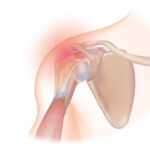


Angina is chest pain that occurs when the heart muscle does not get enough oxygen-rich blood, and it might feel like pressure or squeezing in your chest. The pain can also spread to your shoulders, arms, neck, jaw, or back, and it typically happens during physical activity or stress. Adopting certain lifestyle changes may help you manage these symptoms. Here are some lifestyle adjustments to help manage angina symptoms:
Exercise Regularly
Engaging in regular physical activity strengthens your heart muscle, which can help it use oxygen more efficiently. Your doctor can recommend a safe exercise plan. A consistent routine makes your heart work better, and this may lead to fewer angina episodes over time.
Quit Smoking
Quitting smoking is a practical step for heart health. Smoking damages blood vessels, and this damage worsens angina symptoms. When you stop smoking, your circulation improves, allowing blood to flow more freely to your heart muscle. This change reduces the strain on your heart and can help manage your symptoms.
The chemicals in cigarette smoke cause the arteries to narrow. This narrowing restricts blood flow throughout your body. Because narrowed arteries make it harder for your heart to receive the blood it needs, chest pain may occur more frequently. Your heart works harder to pump blood through these constricted vessels.
When you quit, your body begins to repair itself almost immediately. Your blood pressure may start to decrease, and oxygen levels in your blood return to a more normal state. This process helps your cardiovascular system function better, and you may find that daily activities become easier. Many resources are available to support you on your journey to becoming smoke-free.
Limit Salt and Saturated Fats
Adjusting your diet to reduce salt and saturated fats can support your heart. A high salt intake is linked to higher blood pressure, which puts extra strain on your heart. This extra strain may trigger angina symptoms. Reading food labels helps you monitor your daily salt consumption.
Foods high in saturated fats can contribute to the buildup of plaque in your arteries, a condition known as atherosclerosis. While this buildup narrows the pathways for blood to reach your heart, a diet lower in saturated fats can help slow this process. You can replace saturated fats with healthier fats found in fish, nuts, and avocados, and this dietary shift supports overall cardiovascular wellness.
Reduce Alcohol Intake
Limiting your alcohol intake is another practical step. Drinking alcohol can temporarily raise your blood pressure and heart rate. These effects may bring on angina symptoms for some people. Understanding how alcohol affects you personally is a good idea.
Moderating your consumption can help keep your heart healthy. Guidelines may suggest:
- Limiting daily intake.
- Avoiding binge drinking.
- Choosing days to be alcohol-free.
Because alcohol can interact with certain heart medications, speaking with your doctor about your consumption is a helpful action.
Get Treated for Angina Symptoms
Managing angina involves a partnership with your healthcare provider. Lifestyle modifications can support your overall treatment plan, so you may find them beneficial. If you are experiencing chest pain, speak with a doctor to get an accurate diagnosis and create a management strategy that is right for you.