
Orthopedics is a medical specialty focusing on injuries, and it addresses diseases of the musculoskeletal system. This complex system includes bones, joints, ligaments, tendons, muscles, and nerves. An orthopedist is a doctor who specializes in diagnosing and treating conditions involving these body parts. Competitive athletes may rely on these professionals to manage pain and improve the range of motion.
Understanding Orthopedics Specialists
An orthopedics specialist provides medical guidance to help athletes navigate the physical demands of competitive sports. Although there are health benefits associated with participation in sports, athletes may be at higher risk for musculoskeletal injuries. Acknowledging the early signs of an injury can help the athlete get proper care, and it may help lower the chances of a more serious injury.
Identifying Common Injuries
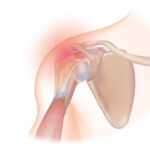
High-impact activities affect specific joints more than others. The knee is a weight-bearing joint, and it can sustain damage from sudden pivots or stops. Shoulders may sustain injury from repetitive overhead motions. When an athlete plays contact sports, they can be at risk for fractures or dislocations from a tackle or fall.
Physicians may see specific issues regularly in sports medicine clinics. Overuse injuries are common in athletes, especially those who play individual sports. These injuries can have a negative impact on the athlete’s participation and performance in sports. Orthopedists may treat the following conditions:
- Shoulder dislocations or rotator cuff tears
- Knee ligament tears, like ACL injuries
- Elbow tendinitis, also known as tennis elbow
- Hand and wrist fractures
- Ankle sprains and strains
Each injury can require a different approach for recovery. Ankle sprains are painful, but they usually heal with rest and stabilization. Fractures in the hands might need surgical intervention. Because small bones require precise alignment, pins or plates can hold them in place.
Managing Medical Treatments
To diagnose conditions, doctors use advanced technology to see inside the body. X-rays show bone fractures, and MRIs reveal soft tissue damage. When an orthopedist reviews these images, they use them to determine a course of treatment. A thorough physical exam can accompany the imaging, so the doctor understands the athlete’s pain levels and medical history.
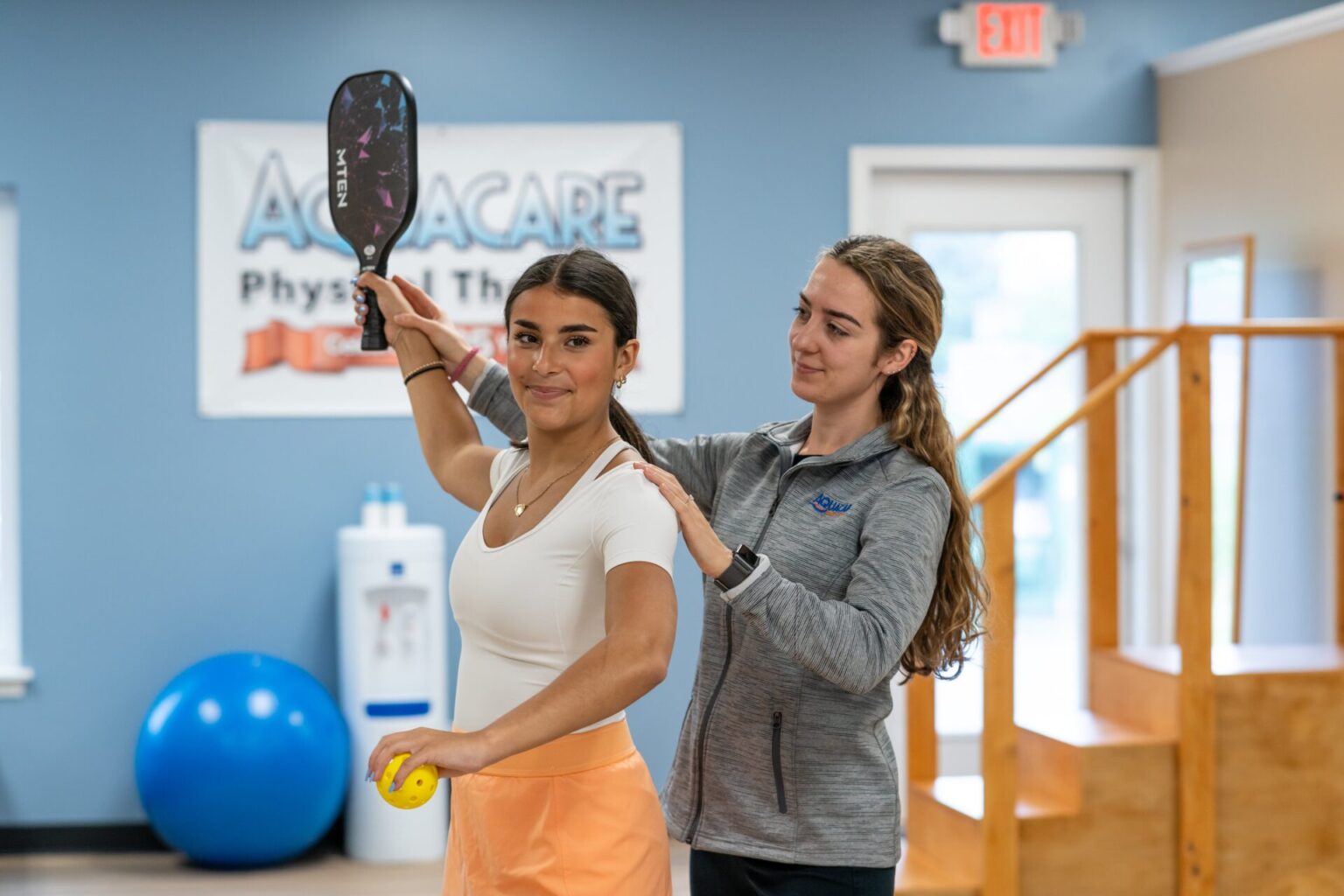
Non-surgical methods may be the first treatment option. The RICE method stands for rest, ice, compression, and elevation. This protocol reduces swelling, and it may alleviate acute pain. Physical therapy helps restore strength after the healing phase ends.
Surgery becomes an option when conservative treatments fail. Arthroscopy is a minimally invasive procedure that uses small cameras to view damaged areas. Surgeons repair torn ligaments through these tiny openings, and this approach minimizes scar tissue. To rebuild strength and mobility, rehabilitation typically follows surgery.
Learn More About Orthopedics
Musculoskeletal health can contribute to an athlete’s ability to play their sport. An orthopedic specialist can use advanced imaging technology and expertise to diagnose and create a treatment plan for complex musculoskeletal concerns. Prompt diagnosis may allow for faster return to play, and proper treatment prevents chronic issues from worsening. If you want to learn more about what orthopedic treatments can help competitive athletes, consult an orthopedist near you.