

Joint replacement surgery is a procedure that has provided many individuals with relief from pain and improved mobility. When joint pain becomes debilitating, this surgical option can offer a path toward a more active lifestyle. Understanding the procedure and its long-term outcomes helps patients make informed decisions about their health. The longevity and performance of a new joint depend on many factors, which include the type of implant and the patient’s own health.
What Is Joint Replacement?
Joint replacement, or arthroplasty, is a surgical procedure to replace a damaged or diseased joint with an artificial one. Surgeons remove the damaged cartilage and bone from the joint and replace them with a prosthesis. The goal of the procedure is to relieve pain, restore the alignment of the joint, and improve its overall function. Patients who undergo this surgery often have conditions like osteoarthritis that have severely eroded the joint surfaces, which causes pain.
The procedure involves precise surgical techniques to fit the prosthesis to the patient’s bone. The artificial joint is designed to mimic the movement of a healthy joint. Following the surgery, a period of recovery and physical rehabilitation is necessary. This rehabilitation program helps the patient regain strength, flexibility, and a normal range of motion in the new joint. The success of the surgery is measured not just by the immediate relief of symptoms but also by the durability and function of the implant over many years.
What Joints Can Be Treated?
While hip and knee replacements are the most common types of joint replacement surgeries performed, medical advancements have made it possible to replace other joints in the body. Each type of joint replacement has specific indications, and the choice of procedure depends on the patient’s anatomy, the extent of the joint damage, and their functional goals. The specific joints that can be treated with arthroplasty include:
- Hip: Hip replacement is a procedure for treating severe arthritis. It involves replacing the ball-and-socket joint of the hip.
- Knee: Knee replacement is performed to address advanced arthritis or severe knee injuries. It can involve replacing the entire joint surface or just a part of it.
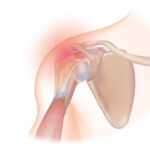
- Shoulder: Shoulder replacement may relieve pain from various forms of arthritis or complex fractures. The procedure can replace just the head of the humerus bone or both the ball and the socket.
Many patients experience a significant reduction in pain and a marked improvement in their ability to perform daily activities.
What Are the Effects?
The long-term effects of joint replacement are generally positive. Modern joint implants are designed for durability, and many last for years. Over time, patients can often return to low-impact physical activities, which contribute to their overall health and well-being.
The longevity of an artificial joint may be influenced by several elements. High-impact activities or excess body weight can place more stress on the prosthesis, potentially leading to faster wear. A revision surgery may be needed to replace the worn components, so ongoing follow-ups with a surgeon help monitor the condition of the implant and address any issues that may arise.
Speak Further With a Surgeon
Discussing your specific condition with an orthopedic surgeon is the best way to understand if joint replacement is a suitable option for you. A surgeon can provide a comprehensive evaluation, which may include a physical examination and imaging studies. A consultation allows you to ask questions, helping you to gain a clearer understanding of joint replacements.