

Deep vein thrombosis (DVT) is a serious circulatory condition that affects individuals with both sedentary and physically active lifestyles. Regular movement and exercise are generally protective, certain routines can increase risk if preventive measures are overlooked. Understanding the causes, warning signs, and prevention strategies for DVT is key to maintaining vascular health and a balanced lifestyle.
Understanding Deep Vein Thrombosis Risk
While exercise improves circulation, certain routines increase the risk of venous thrombosis. Athletes often travel long distances for competitions. They may sit in cramped planes or cars for long periods. This immobility slows blood flow in the legs. It creates an environment where a deep vein thrombosis can form.
Trauma is another significant factor for active individuals. Contact sports also cause injuries that damage blood vessels. These injuries sometimes require surgery and subsequent bed rest. Even a minor injury can trigger the body’s clotting mechanism. But genetics or temporary circumstances somewhat increase your risk.
Early Warning Signs To Note
One of the biggest challenges for active people is telling the difference between normal soreness and symptoms of a blood clot. You’re used to pushing through pain so you might dismiss a throbbing leg as a “Charley horse” or strain. But DVT pain often persists and doesn’t improve with rest or stretching. A key sign is pain in one leg with unusual changes in the limb’s appearance or feeling.
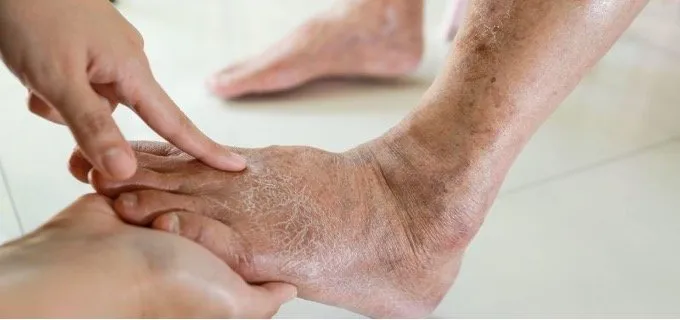
Pay attention to how the skin around the painful area looks and feels; visual cues are necessary pointers. The skin might appear stretched, shiny, or discolored, with a reddish or bluish hue, unlike a bruise. The painful area also feels unusually warm compared to the surrounding skin or your other leg. Swelling is another common symptom, often in the calf or thigh, but it sometimes spreads throughout the leg. Sudden shortness of breath or chest pain with these leg symptoms sometimes means the clot has moved. Seek emergency care immediately if this occurs.
Deep Vein Thrombosis Prevention Strategies
Adding simple prevention habits to your daily routine is the most effective way to protect yourself from vascular complications. By being proactive, you ensure your circulatory system stays just as healthy as the rest of your body without compromising your athletic goals.
- Prioritize Hydration and Nutrition
Dehydration makes your blood thicker, so staying hydrated is a simple way to help prevent clots. Drink plenty of water before, during, and after workouts to keep your blood flowing smoothly. A diet rich in anti-inflammatory foods also supports your overall vascular health. - Manage Travel Risks Intentionally
Take regular breaks to move and stretch your legs when traveling for events. On planes, walk or do seated calf raises. Wear loose clothing to avoid restricting blood flow in your legs and groin. - Utilize Compression Therapy
Compression socks apply gentle pressure to the legs to encourage blood flow back to the heart. They can be worn during long trips or after intense exercise to aid recovery. Consult with a specialist to find the right level of compression for your specific needs. - Know Your Family History
Genetics significantly influence your risk of clotting, so discuss your family’s medical history openly. Inform your doctor if a relative had DVT or a pulmonary embolism. This helps your medical team monitor you during high-risk periods, such as after an injury.
Consistently applying these strategies will lower your risk. Your performance depends on efficient oxygen transport. Keeping your veins clear is fundamental. But when it seems out of control, seeking medical help is the best decision.
Seek a DVT Specialist Today
If you suspect a clot, see a deep vein thrombosis specialist. You may also want to assess your risk factors. DVT is a serious condition. Early detection with advanced ultrasound technology will save your life. It will also prevent long-term issues like post-thrombotic syndrome. Do not let your pain tolerance or athletic identity hide potential signs. A deep vein clot is a serious risk. Contact a specialist immediately. Schedule an evaluation and ensure your legs stay healthy.