

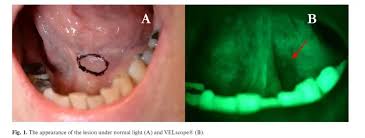
Squamous cell carcinoma (SCC) is a common form of skin cancer that develops in the squamous cells, which make up the middle and outer layers of the skin. In dermatology, SCC is frequently encountered due to its prevalence among skin cancers. It is generally not life-threatening, but it can become aggressive and spread if left untreated. Dermatologists play a role in managing this condition through early detection, which significantly improves treatment outcomes. Detection typically involves a thorough visual examination of the skin, followed by a biopsy if suspicious lesions are identified. This process allows for accurate diagnosis and timely intervention.
Key Approaches to Early Detection
Dermatologists utilize several specific methods to identify SCC in its earliest stages. Dermatologists primarily use skin exams, checking for unusual growths or changes. They look for specific indicators such as scaly red patches, open sores, rough skin, or wart-like growths that may crust or bleed. Besides visual inspection, dermatologists often use dermoscopy, and this involves a specialized handheld device that magnifies the skin and uses polarized light to visualize structures below the skin’s surface. Dermoscopy helps distinguish between benign skin conditions and malignant lesions with greater accuracy. If a lesion appears suspicious, the dermatologist will perform a skin biopsy. This procedure removes a small skin sample for lab analysis, the only way to confirm squamous cell carcinoma.
Patient Monitoring and Risk Factors
Effective early detection relies heavily on understanding patient history and monitoring those at higher risk. Dermatologists assess individual risk profiles to determine how frequently a patient should be screened; regular monitoring is recommended for individuals with a history of significant sun exposure or previous skin cancers. Several factors increase the likelihood of developing SCC. Dermatologists pay close attention to the following risk factors and monitoring strategies:
- Chronic Sun Exposure: Long-term exposure to ultraviolet (UV) radiation from the sun or tanning beds is the leading cause of SCC.
- Fair Skin: Individuals with lighter skin, hair, and eyes are more susceptible to UV damage and skin cancer.
- Weakened Immune System: People with compromised immune systems, such as organ transplant recipients, face a higher risk.
- Personal History of Skin Cancer: A personal history of SCC or basal cell carcinoma increases the chance of developing future cancers.
- Precancerous Growths: Actinic keratoses are rough, scaly patches that can progress to SCC if left untreated.
- Regular Self-Exams: Dermatologists encourage patients to examine their own skin monthly for new or changing spots.
Treatment Options in Dermatology
Once a diagnosis of squamous cell carcinoma is confirmed, dermatologists have several treatment options based on the tumor’s size, location, and aggressiveness. The goal is to remove the cancer completely while preserving as much healthy tissue as possible. Excisional surgery is a common method where the doctor cuts out the tumor along with a margin of healthy skin. For smaller, low-risk cancers, dermatologists may use curettage and electrodesiccation to scrape away the tumor and seal the base with heat. Mohs micrographic surgery is often recommended for high-risk areas like the face; this precise technique removes tissue layer by layer until no cancer cells remain. In cases where surgery is not an option, radiation therapy or topical chemotherapy creams might be suggested.
Contact a Dermatologist Today
Early detection is the most effective way to successfully manage squamous cell carcinoma. If you notice any changes in your skin or have concerns about your risk factors, seek professional dermatology advice. A dermatologist can provide a comprehensive skin exam, and they can guide you through the appropriate steps for monitoring and treatment. Schedule an appointment to confirm your skin health is managed by an expert.