

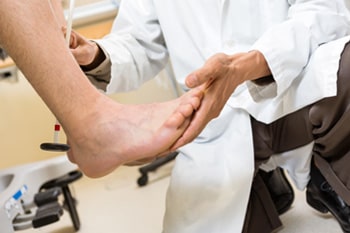
Arthritis affects the foot and ankle by causing pain, swelling, and reduced mobility. A podiatrist specializes in diagnosing and treating these conditions to improve a patient’s quality of life. The treatment process begins with a physical examination, but it often involves imaging tests like X-rays to confirm the diagnosis. Patients seek help when stiffness limits their daily activities, and early intervention can prevent further joint damage. Doctors tailor treatment plans based on the specific type of arthritis, and they consider the severity of the symptoms presented.
Conservative Management Options
Non-surgical treatments are often the first line of defense against foot and ankle arthritis. A podiatrist may recommend lifestyle changes, and they frequently suggest weight loss to reduce stress on the joints. Physical therapy strengthens the muscles around the ankle, which stabilizes the joint and reduces pain over time. Patients often use assistive devices like canes or braces, and these tools help redistribute weight away from the affected area. Shoe modifications can accommodate deformities, or custom orthotics might be prescribed to provide better arch support. Medications like anti-inflammatories reduce swelling, and corticosteroid injections offer temporary relief for severe flare-ups.
Dietary changes play a supportive role in managing arthritis symptoms, especially when integrated with other conservative measures. A podiatrist may advise reducing foods that promote inflammation, such as processed or high-fat items, and increasing the intake of nutrient-rich options. Maintaining a healthy body weight can reduce pressure on the foot and ankle joints, and proper nutrition supports overall joint health. While dietary adjustments alone do not cure arthritis, they can complement medications and physical therapy in a comprehensive management plan. Collaborative discussions between patient and podiatrist allow for tailored dietary recommendations suited to the individual’s condition.
Surgical Intervention Procedures
When conservative methods fail to provide relief, surgery becomes a viable option. Arthroscopy cleans out the joint, and this minimally invasive procedure removes loose cartilage or bone spurs. Arthrodesis fuses the bones of the joint, eliminating motion but significantly reducing pain. This procedure is commonly used for severe arthritis, but patients must understand that it permanently limits flexibility. Arthroplasty involves replacing the damaged joint with an artificial one, and this preserves motion while relieving discomfort. Surgeons choose the best procedure based on joint condition, and recovery times vary depending on the complexity of the operation.
Post-Treatment Rehabilitation
Recovery after treatment is crucial for long-term success and mobility. Patients must follow specific rehabilitation protocols, and they attend follow-up appointments to monitor healing progress. Physical therapy aims to restore strength, while specific exercises improve the range of motion in the affected foot. Swelling may persist for several months, but elevation and icing help manage this symptom effectively. Patients gradually return to normal activities, although high-impact sports might be restricted permanently to protect the joint.
Find a Podiatrist
Arthritis treatment requires a comprehensive approach involving both non-surgical and surgical methods. Podiatrists assess the severity of the condition, and they create personalized plans that address specific patient needs. Early diagnosis leads to better management, but advanced cases often require surgical intervention for lasting relief. Patients who actively participate in their recovery see the best results, and adhering to medical advice minimizes the risk of future issues. Understanding available treatments empowers individuals to make informed decisions, and professional care helps restore function to the foot and ankle. Find a podiatrist in your area to learn more.