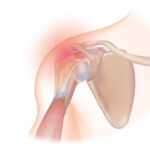


Pain affects everyone differently. Effective relief needs a custom approach. Pain management plans help control symptoms using medication, medical procedures, exercises, and therapy. This article highlights key steps for building a pain management plan.
Understanding Pain Management
Pain management aims to prevent, reduce, or control pain. The main goal is a better quality of life. It includes many options. Some pain is short-term (acute), while other pain lasts for months or years (chronic). Pain can result from injuries, surgery, or health conditions. Diagnosis usually starts with exams, tests, and imaging, such as an MRI or CT scan. Some people begin with a primary care provider, but complex cases may need a team of specialists. This team can include anesthesiologists, physical therapists, mental health professionals, and others. Each professional focuses on different factors in managing pain. Total pain relief is not always realistic. Even little progress can help someone return to work, do chores, or take part in activities. Over time, changes to the plan may be needed. Tracking what works and what does not is important.
Components of a Plan
Pain management plans often use a mix of treatments. Medication is common. Options include acetaminophen, NSAIDs, muscle relaxers, corticosteroids, or other drugs as needed. Opioids are used sparingly because of addiction risks. Many plans feature physical therapies and interventional techniques. Procedures may include nerve blocks, steroid injections, or radiofrequency ablation, depending on the pain type. These methods target nerves to block pain signals. Physical therapy can help improve strength, movement, and posture. Occupational therapy focuses on daily tasks, helping people avoid actions that might make pain worse. Mental health support is also helpful. Cognitive behavioral therapy can teach coping skills and address how pain affects emotions. Managing stress and keeping track of feelings helps people stay involved in their care. Complementary therapies are sometimes added. These can include massage, acupuncture, or relaxation techniques. Plans differ for each person and may blend several types of treatment.
Implementing and Adjusting
Starting a pain management plan takes teamwork. Everyone monitors progress together. Treatments can be adjusted if one method does not work. Some people get relief from simple home remedies like rest, ice, compression, and elevation (“RICE”). Others need more advanced procedures. Exercise, diet, and sleep may support relief. Lifestyle changes matter. Small steps, like walking or swimming, often help. If stress is a factor, learning to manage it can reduce pain.
Not all treatments work for everyone. Results may take time. Regular check-ins and follow-up help identify what is working. If progress slows, new options are considered. For example, if a nerve block fails, another procedure or medication may be tried. Sometimes, technologies like spinal cord stimulation are needed for hard-to-treat pain. The plan is reviewed and modified to meet changing needs.
Find Help
Building an effective pain management plan takes a careful, multi-step approach. Professionals use tests, diverse therapies, and lifestyle changes. The aim is to help people regain function and feel better overall. Teamwork, regular review, and flexibility support this process. Adjustments are normal and sometimes needed. With patience and support, people can live better while managing pain. Find help by talking to a clinic or a specialist to learn more.