
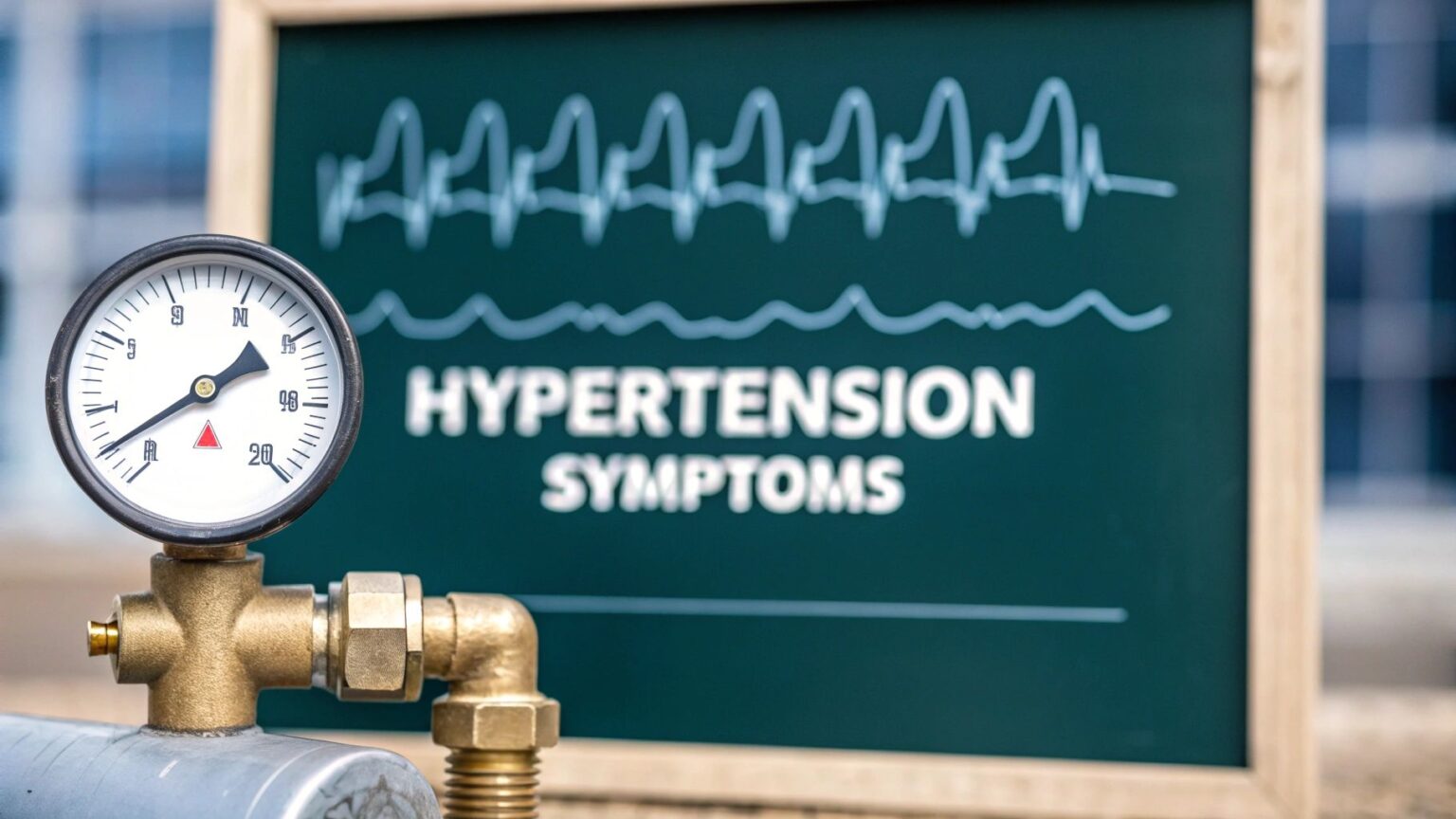
High blood pressure, or hypertension, occurs when the force of blood pushing against the walls of your arteries is consistently too high. This condition requires your heart to work harder to pump blood, which damages your arteries over time. Hypertension may not present noticeable symptoms for years, yet it can quietly cause damage to your cardiovascular system. Here is more information on hypertension and how to recognize its signs and symptoms:
Chest Pain and Heart Palpitations
While many individuals with hypertension experience no symptoms. Some people may notice chest pain, known as angina, or heart palpitations, which feel like a fluttering or pounding sensation. These sensations can be unsettling, and they warrant a discussion with a healthcare provider to determine the underlying cause. It is fundamental to monitor these physical signs, as they could be related to the heart’s increased workload.
How Does Hypertension Impact Your Health?
Untreated hypertension can lead to serious health complications over time. The persistent force hardens and thickens the arteries, a condition known as atherosclerosis. Atherosclerosis can reduce blood flow to the heart and other parts of the body. This strain increases the risk of various cardiovascular events. Consistent blood pressure management is key to long-term health, so regular check-ups are highly recommended.
How Many People Have High Blood Pressure?
A significant portion of the population with hypertension is unaware they have it. Because symptoms are often absent or easily attributed to other causes, many people do not get their blood pressure checked regularly. The World Health Organization reports that around 46% of people with high blood pressure don’t know they have it. This lack of awareness highlights the value of routine medical examinations, as follow-up appointments enable timely diagnosis and treatment of cardiovascular conditions.
Cognitive Functioning Changes
Sustained high blood pressure can also affect cognitive function, as the brain relies on a healthy network of blood vessels for a consistent supply of oxygen and nutrients. Hypertension can damage these delicate vessels, potentially impacting aspects of cognition, like:
- Memory
- Focus
- Reasoning Skills
Individuals might notice difficulty concentrating or recalling information. These changes may develop gradually, making them difficult to detect without careful observation.
Dizziness
Feeling lightheaded or dizzy can be another sign of high blood pressure, though these symptoms can also result from other conditions. If you experience recurrent or severe dizziness, especially when accompanied by other symptoms like vision changes or headaches, it is advisable to seek a cardiovascular evaluation. Dizziness related to hypertension may occur suddenly, but a specialist will identify the root cause of these episodes and recommend an appropriate course of action.
Contact a Cardiovascular Specialist Today
Recognizing the potential signs of hypertension is the first step toward managing the condition and protecting your health. If you are experiencing symptoms like chest pain, dizziness, or cognitive changes, consulting a professional is a key step. They can tell you if your symptoms warrant further testing. Contact a cardiovascular specialist for an appointment, as they can develop a personalized management plan to support your well-being.