

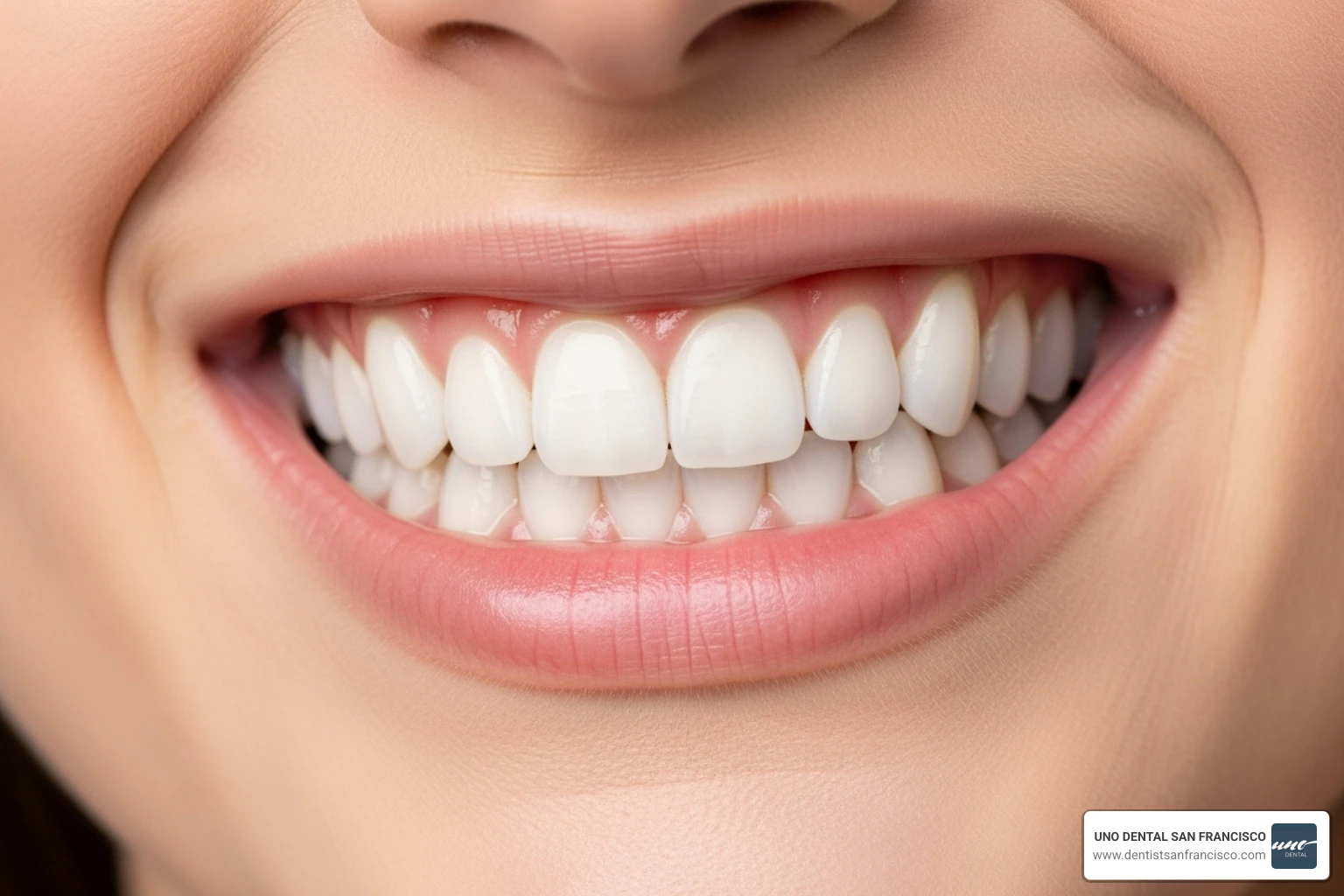
Teeth whitening is a cosmetic dental option for improving the appearance of a smile. Stains can come from foods and beverages, tobacco use, aging, and certain medications. Understanding the science behind whitening products can help you make informed decisions and achieve predictable outcomes. Here’s more information on the science behind dental whitening products:
What Can Teeth Whitening Change?
Teeth whitening products are primarily effective on extrinsic stains, which are surface discolorations of the enamel. These stains typically result from consuming certain foods and beverages, such as coffee, tea, and red wine, or from tobacco use. The active ingredients in whitening agents penetrate the enamel to break down these stain compounds, a process often referred to as teeth bleaching. This action effectively reduces the visibility of surface-level discoloration, leading to a brighter appearance.
The efficacy of teeth whitening is limited for intrinsic stains. These are discolorations that exist within the tooth structure, known as dentin. Intrinsic staining can be caused by trauma to the tooth, exposure to certain medications during tooth development, or excessive fluoride use. Topical whitening agents have minimal impact on these stains because these stains are internal. Dental whitening does not alter the color of dental restorations like crowns, veneers, or fillings, which retain their original shade.
Why Do Results Vary?
The outcome of a teeth whitening treatment is not uniform for every individual. Several factors contribute to the variability in results, making each person’s experience unique. These include:
- Initial Tooth Color: Individuals with teeth that are naturally yellower or stained from lifestyle habits may experience more noticeable changes.
- Type and Severity of Stains: Extrinsic stains caused by surface factors generally respond better to whitening treatments than intrinsic stains, which are embedded within the tooth structure.
- Age of the Individual: Older individuals may see less pronounced results due to the natural thinning of enamel, which can affect treatment effectiveness.
- Treatment Method: Professional whitening procedures often yield more pronounced results than over-the-counter options because they use stronger concentrations of whitening agents.
- Frequency of Treatment: Consistent follow-up treatments or maintenance is key to sustaining and enhancing whitening effects.
Understanding these factors is fundamental for setting realistic expectations and achieving optimal results with any whitening approach.
What Are the Active Ingredients?
The effectiveness of teeth whitening products hinges on their active ingredients, which are chemical agents designed to break down stains. Carbamide peroxide breaks down into hydrogen peroxide and urea when it comes into contact with saliva. Hydrogen peroxide acts as the active bleaching agent, while urea helps stabilize it, allowing for a slower, more sustained release. This makes carbamide peroxide a common choice for at-home whitening kits that are worn for extended periods.
Hydrogen peroxide, as a direct bleaching agent, works more quickly than carbamide peroxide. It penetrates the tooth enamel and dentin to oxidize stain molecules, effectively breaking them apart and reducing their visibility. Professional dental whitening treatments performed in a dental office use higher concentrations of hydrogen peroxide for faster and more dramatic results.
Schedule Your Teeth Whitening Appointment
The science behind teeth whitening involves active ingredients such as hydrogen peroxide and carbamide peroxide that break down surface stains. The effectiveness of any treatment depends on the type of staining, initial tooth shade, and lifestyle habits. Consulting a dental professional and following safety guidelines can help individuals achieve a brighter smile safely. To enhance your smile, contact a qualified dentist near you to schedule your dental whitening appointment today.