
Cosmetic dermatology offers non-surgical treatments to address visible signs of aging and enhance natural features. Medical spas, or medspas, are clinical settings where these aesthetic services are administered by medical practitioners. Many people get these treatments to refresh their appearance, but each injectable product offers specific benefits. Botox and dermal fillers are two popular treatments that work to minimize wrinkles in different ways. Here’s information on the differences between neuromodulators and fillers:
What Is Botox?
Botox and Dysport are brand names for a purified protein known as a neuromodulator. This substance has been used in medical applications for many years, but it is best known in cosmetic dermatology for reducing the appearance of dynamic wrinkles. Wrinkles are the lines that result from repeated facial expressions, such as frowning, squinting, or raising the eyebrows. While Botox is more commonly known, Dysport is a similar formulation that produces comparable results. A qualified provider can assess your facial anatomy and aesthetic goals to recommend the appropriate injectable product.
How Do Neuromodulators Work?
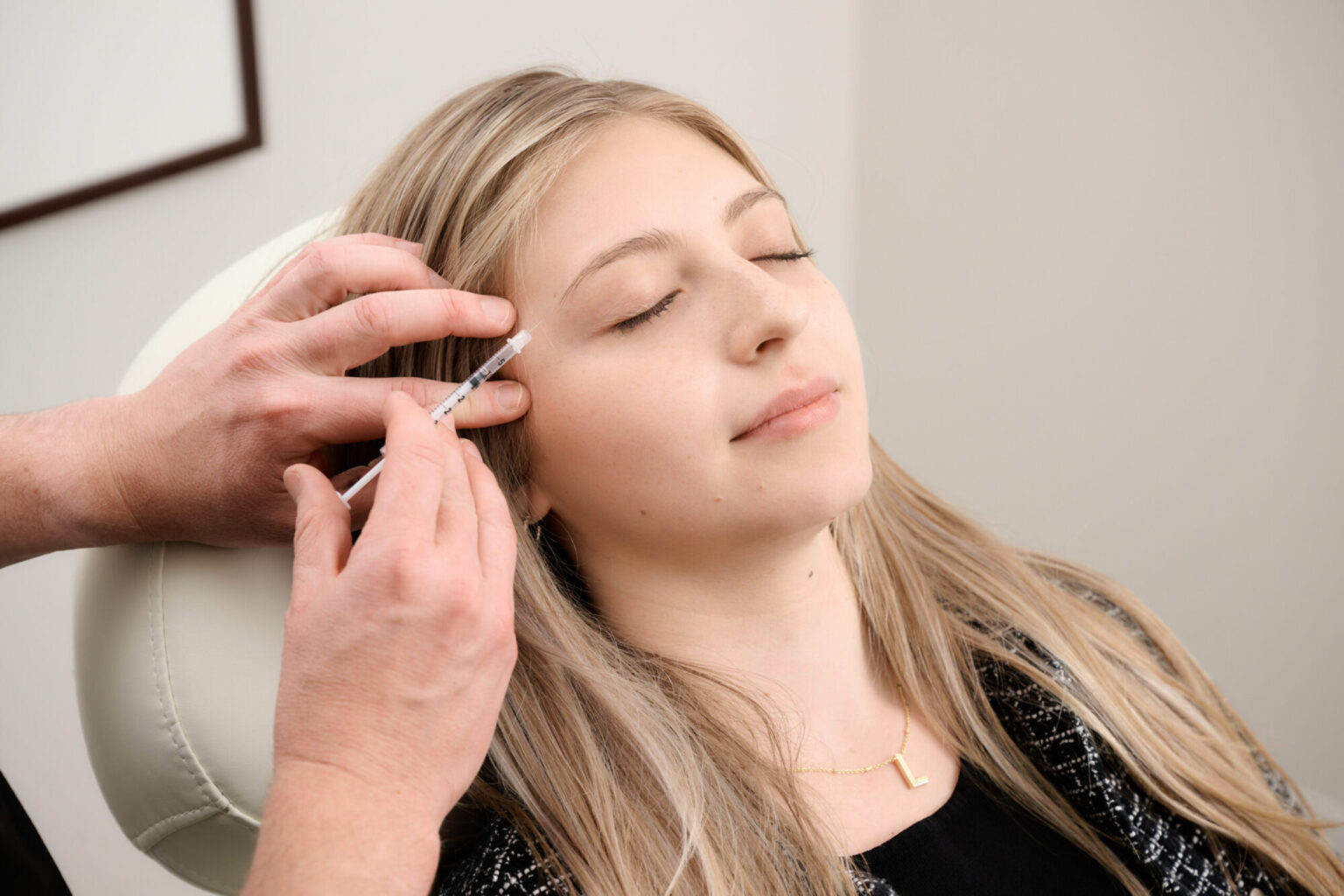
Neuromodulators temporarily block nerve signals to specific muscles; these injections address the muscular cause of wrinkles, not the skin’s texture itself. When injected in precise amounts, they reduce a muscle’s ability to contract. This muscle relaxation causes the overlying skin to soften, which smooths the appearance of existing expression lines and can help prevent them from deepening over time. The goal of Botox or Dysport treatment is to subtly soften muscle contractions, resulting in a more rested and relaxed appearance.
How Long Do Results Last?
The effects of neuromodulators are temporary, as the body naturally metabolizes the product over several months. Most people begin to see the smoothing effects within three to seven days following their injections, with full results visible by two weeks. Results typically last for about three to four months. Once the product wears off, muscle movement will gradually return, and the lines and wrinkles will begin to reappear.
What Are Dermal Fillers?
While neuromodulators are used for wrinkles caused by muscle movement, dermal fillers address volume loss, which contributes to static wrinkles and facial sagging. With age, the face loses subcutaneous fat and collagen, leading to hollowed areas and less structural support for the skin. Fillers are gel-like substances that are injected beneath the skin to restore lost volume, smooth deep-set lines, and enhance facial contours.
There are several types of fillers available, each formulated for different areas and purposes, including:
- Hyaluronic Acid (HA) Fillers: These are the most common option; these products use hyaluronic acid, a substance naturally present in the skin that helps retain moisture. HA fillers are soft and gel-like, making them ideal for adding volume to lips, softening nasolabial folds, and restoring cheek fullness. Their effects are also reversible.
- Calcium Hydroxylapatite (CaHA) Fillers: Formulations are thicker than HA fillers and are for deeper wrinkles and folds. This filler option provides immediate volume, and it stimulates natural collagen production for longer-term structural support.
- Poly-L-lactic Acid Fillers: These work gradually by encouraging the body to produce its own new collagen. This treatment is typically for restoring volume to larger areas of the face that have significant fat loss.
How Can Botox and Filler Treatments Combine?
Botox and fillers can be used together to provide a more comprehensive and harmonious facial rejuvenation. Because they address different aspects of aging, a combined approach allows for a balanced aesthetic result. A provider may use Botox to relax the muscles that cause crow’s feet around the eyes and then use filler to restore volume to the under-eye area or cheeks. This combined approach addresses dynamic lines and volume loss, and some treatment combinations have been shown to prolong Botox results.
Learn About Your Aesthetic Options
Understanding the nuances of injectable treatments helps you make informed decisions about your aesthetic goals. Because every individual’s facial structure is unique, a consultation with a cosmetic practitioner is fundamental for personalized treatments. To learn more options, contact a med spa today, as a specialist can determine how to improve your skin’s appearance.