
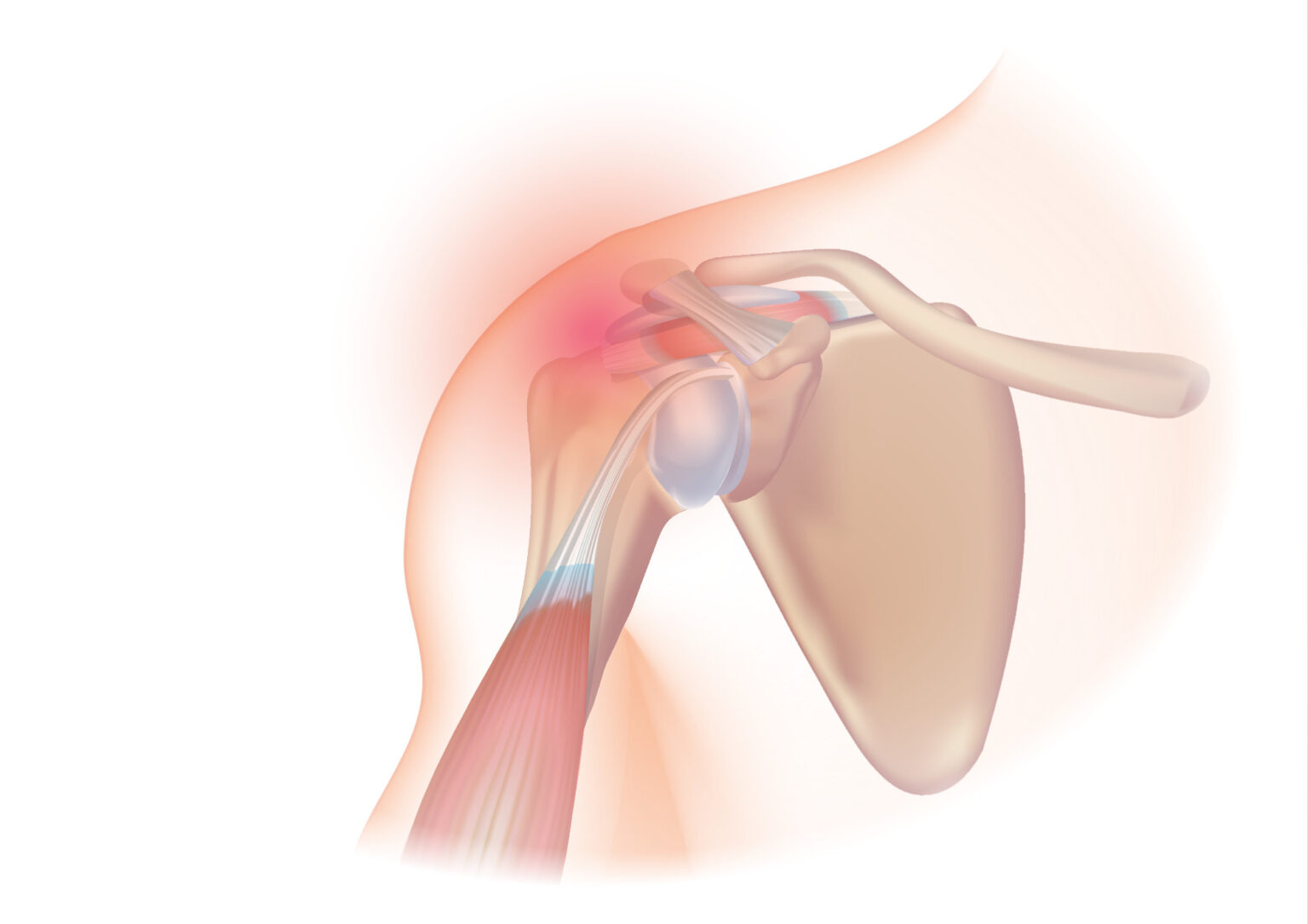
The rotator cuff supports your shoulder joint. Four muscles stabilize this area, and they enable arm movement. When a rotator cuff tear occurs, joint mechanics change. Proper joint function requires intact muscle tissues.
Structures of the Shoulder
Tendons attach shoulder muscles to the humerus bone, forming strong yet flexible cords that support shoulder movement. These tissues experience daily wear and tear from many activities, and they can degrade gradually over time. Age or repeated use also contributes to this. Lifting heavy objects often builds up stress in these tendons. Tissues may eventually cause a rotator cuff tear. Even subtle movements, like reaching or lifting, lead to small amounts of accumulated strain. Over time, this strain weakens the tendon and makes it more prone to injury. A tear disrupts the joint’s balance, so other tissues need to adjust. This affects the entire area. Friction within the shoulder capsule increases and, it leads to inflammation. Tendons may receive weak blood flow, so healing is slow. Existing damage might last for extended periods. This can lead to impingement, and it makes daily activities uncomfortable.
Symptoms of a Tear
Patients often experience a limited range of motion, and they may feel persistent stiffness. This interferes with regular shoulder use. Dull, aching shoulder pain tends to worsen at night. Weakness most often occurs when you rotate or lift your arm. Reaching behind the back is difficult for many. Shoulder movement often triggers a popping or crackling sensation. Some discomfort usually persists during activity. Lying on the injured side worsens dull, aching shoulder pain. It disrupts sleep, and it affects quality. Weakness occurs when lifting the arm away from the body. A crackling or popping sensation can arise during almost any movement. These specific signs indicate underlying structural changes. Persistent pain, especially at rest, needs evaluation. Morning stiffness often limits initial mobility. The joint lacks normal stability. Simple movements require extra effort, and fatigue sets in with repeated use.
Options for Medical Treatment
Doctors offer specific non-surgical intervention options. Some patients with rotator cuff tears benefit from these targeted therapies. Stem cell therapy promotes healing by harnessing the body’s natural ability to repair itself. Stem cell therapy uses the body’s own cellular repair mechanisms, and this enables new tissue to regenerate at the injury site. Surgery is an option for repairing severe or complete tears. Regenerative procedures offer less invasive alternatives. They support natural tissue repair for many injuries. Regenerative medicine addresses the root cause of tissue breakdown directly.
Providers administer these therapies locally into the injured area, and non-invasive care reduces surgical risks. Tissue healing proceeds more controlledly, without the stress of a long recovery period. Medical interventions restore normal joint biomechanics. This protects long-term function as recovery advances. These therapies are often paired with rehabilitation exercises. Together, they support your shoulder’s return to regular activity. Treatment plans deliver targeted relief from symptoms. Tracking your progress helps confirm the plan fits your needs.
Treat Your Rotator Cuff Tear
Early intervention prevents further shoulder damage. You must consult a medical specialist, and they will evaluate your joint mechanics. After doctors assess the tear, they recommend specific therapies. Diagnostic imaging confirms the exact location of the injury. Before the tear worsens, you must contact a clinic. Schedule an initial consultation, and specialists will review your specific case.