

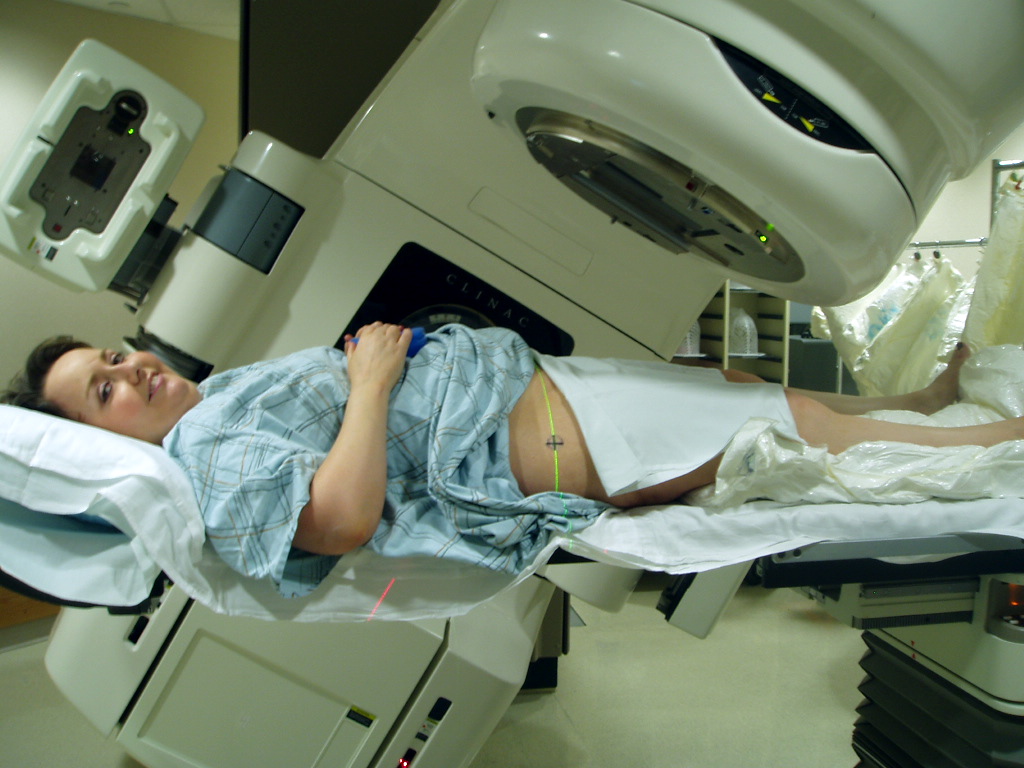
Radiation therapy is a common treatment used to target and destroy cancer cells within the body. This treatment utilizes high-energy beams to damage the DNA of malignant cells, preventing them from dividing and growing further. Oncologists may use this method as a sole treatment or in combination with other therapies to shrink tumors or eliminate remaining microscopic cells after a surgical procedure. Here is more information about radiation treatment, what it does, and who is a good candidate:
Defining Modern Radiation Treatment
Radiation therapy uses powerful X-rays to kill cancer cells, and this process ultimately disrupts their ability to grow. Doctors direct these high-energy beams toward a targeted area where the rays damage the DNA of the malignant cells. When the cellular instructions are destroyed, the cells eventually die. Without the DNA material, the cells cannot grow, leading the tumor to shrink.
Oncologists utilize different delivery methods to treat tumors with radiation. Intensity-modulated radiation therapy (IMRT) uses many radiation beams that vary in intensity; this technique allows doctors to deliver higher doses specifically to the tumor. Image-guided radiation therapy (IGRT) and 3D conformal radiation therapy (3D CRT) both rely on imaging techniques to increase the precision of the radiation. Another option is arc-based radiotherapy, which delivers the waves in a rotational pattern to deliver treatment faster than IMRT.
Identifying Candidates and Cancers
Physicians evaluate several factors, such as tumor size and patient health, to determine if someone is a good candidate for treatment. Radiation may be an option for localized tumors, or it is often used as a secondary therapy after surgery. This treatment is applicable to many different types of malignancies across the entire body. Specialized techniques like stereotactic body radiation therapy (SBRT) allow for high-dose treatment in just a few sessions.
Many common and rare cancers respond well to radiation treatment, and doctors may use radiation alongside other treatments, such as chemotherapy, to increase the effectiveness of the overall treatment plan. Medical professionals use radiation to treat the following conditions:
- Prostate and breast cancer
- Lung, head, and neck cancers
- Colorectal and gastrointestinal malignancies
- Testicular and skin cancers
- Brain, cervical, ovarian, and pancreatic tumors
Assessing Treatment Clinical Benefits
Radiation treatment is a non-invasive way to destroy tumors without the need for traditional surgical incisions. Patients who will receive surgery may benefit from radiation because it can shrink a mass before surgery. The precision of modern treatments enables providers to better avoid healthy tissue during the procedure. While it is primarily used to kill cancer cells, radiation also serves a palliative role by reducing cancer symptoms.
Learn More About Radiation Therapy
Radiation treatment can destroy cancer cells on its own, and it can also work in conjunction with other treatments to increase their effectiveness. This therapy may also serve as palliative care, reducing the symptoms of cancer. There are several different types of radiation treatment, and a medical provider can discuss the various options and benefits of each type. To learn more about radiation treatment, consult an oncology clinic near you.