

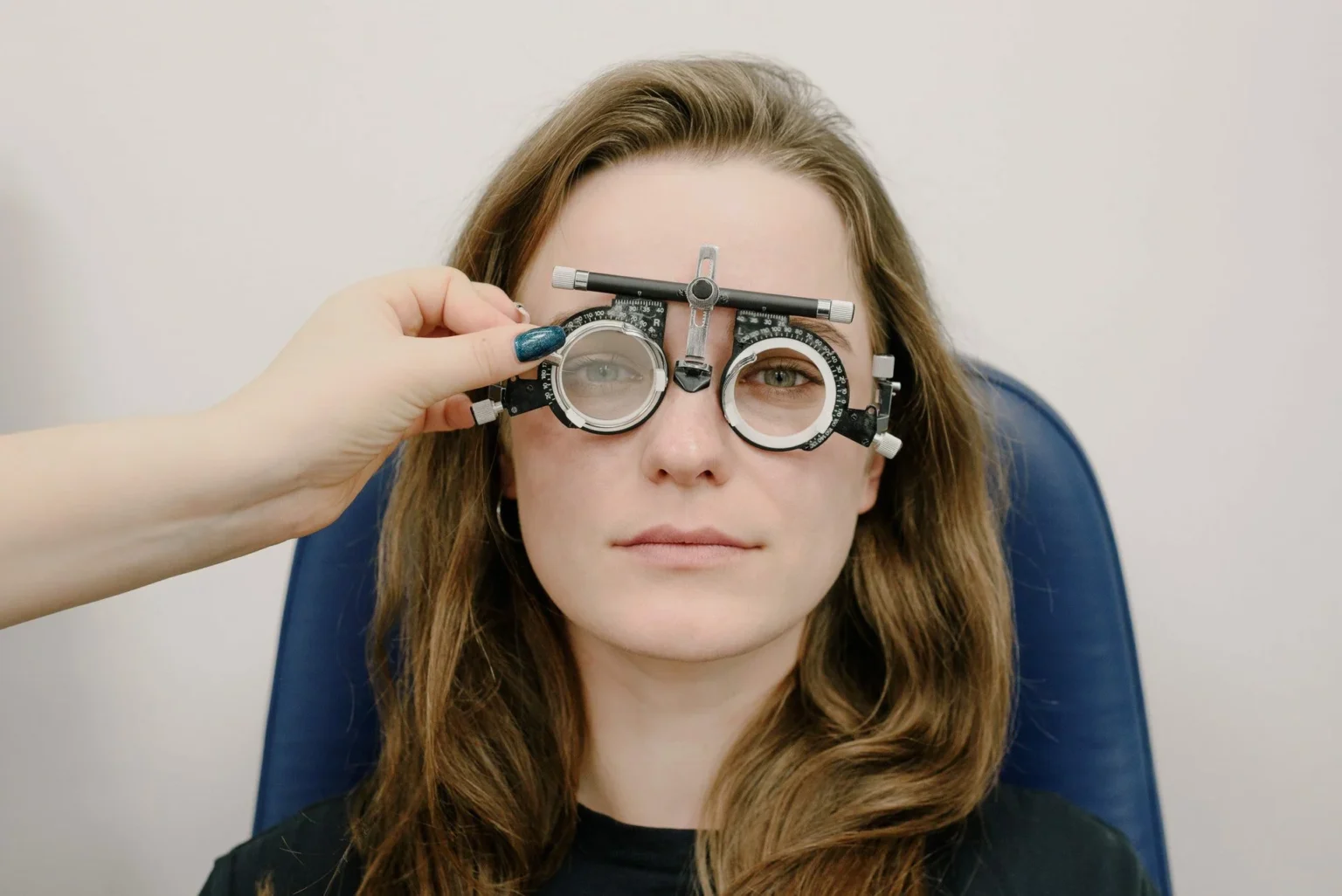
Optometrists are primary health care professionals for the eye, and they examine, diagnose, treat, and manage diseases and disorders of the visual system. When needed, knowing what to ask during your appointment can help you understand your eye health. This preparation lets you have a more productive conversation with your eye doctor. Here are some questions you can ask:
What Exams Do I Need?
A comprehensive eye exam includes several tests, and your optometrist will determine which ones you need based on your age, health, and personal risk factors. You may need tests for visual acuity, eye muscle function, and intraocular pressure. By discussing your daily activities and any visual challenges you experience, your doctor can get a complete picture of your visual health.
Different exams test for different conditions. A visual field test checks for blind spots in your vision, which may indicate eye diseases such as glaucoma. Another test, pupil dilation, allows your doctor to see the back of your eye after drops widen your pupil. This view helps them detect signs of various health issues. Each test provides specific information, so your optometrist will select the most appropriate ones for you.
Has My Vision Changed?
If you notice changes in your vision, you should communicate them clearly to your optometrist, so they can assess the situation. Prescription updates may be needed, but vision changes may also indicate other health problems. Your optometrist may compare your current results with past records. This comparison helps identify any new trends or shifts in your eyesight.
Even subtle changes are helpful. Your optometrist may ask about your work environment and screen time, as these factors influence vision. Providing these details helps your doctor understand the full context of your visual experience, and it guides treatment options.
Your optometrist will document any changes and explain what they mean for your eye health. If needed, they can discuss whether a new prescription for glasses or contact lenses is necessary. Your updated prescription will reflect the precise correction your eyes need, and you can ask about adjustment periods. This information helps you adapt to your new prescription.
Do I Have Any Risks?
Understanding your risk for eye disease is a key part of preventative care. Certain factors increase your risk of developing conditions, and this includes glaucoma or macular degeneration. Based on the individual, these factors may include:
- Family history of eye disease
- Health conditions such as diabetes
- Age
- Ethnicity
Your optometrist can evaluate your personal and family health history. While you cannot change your genetics, knowing your risks allows for proactive monitoring. They will discuss specific conditions you may be more susceptible to, and this conversation provides a clearer picture of what to watch for in the future.
Are Contacts or Glasses Better?
Deciding between contacts and glasses involves personal preference and lifestyle, and each option has its own set of benefits and maintenance requirements. Glasses are typically easy to care for, but contact lenses offer a wider field of view. Based on your specific needs, your optometrist can help you weigh these factors.
Visit an Optometrist Near You
Regular eye exams are a fundamental part of maintaining your health. Your optometrist can answer your questions, and they will provide guidance based on your individual needs. By asking informed questions, you take an active role in your eye care. Schedule an appointment with an optometrist today to discuss your eye health.