
Glaucoma is a group of eye conditions that damage the optic nerve, often due to increased intraocular pressure, and may lead to permanent vision loss if not identified early. Many forms of glaucoma develop gradually and without obvious discomfort, so symptoms may be subtle or absent until the condition has progressed. Here are the common symptoms of glaucoma:
Detecting Silent Signs
Primary open-angle glaucoma typically presents no warning signs in the early stages. The effect is so gradual that you may not notice a change in vision until the condition is advanced. This is why doctors often refer to it as the “silent thief of sight.” The pressure builds up slowly because the eye does not drain fluid as well as it should.
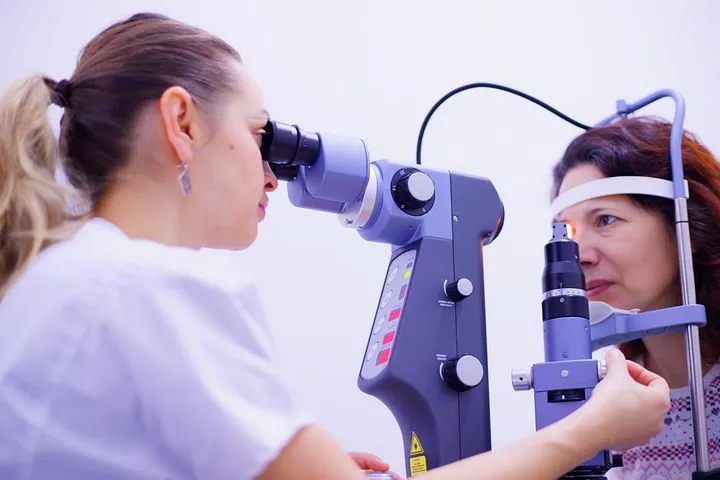
Regular eye examinations are fundamental for detecting the condition because there are no early symptoms. A comprehensive eye exam is the only way to detect the disease before significant damage occurs. During an exam, a doctor measures your eye pressure and inspects the drainage angle of your eye. They also examine the optic nerve for signs of damage that you cannot see yourself.
Tracking Worsening Vision Changes
As glaucoma progresses without treatment, specific visual problems will eventually manifest. The optic nerve acts like a cable with many wires, and as these wires die, blind spots begin to develop in your vision. Common vision changes include:
- Patchy blind spots in your side or central vision.
- Tunnel vision in advanced stages.
- Difficulty seeing in dim light.
- Blurred vision that fluctuates.
- Seeing halos around lights.
If you experience these issues, consult an ophthalmologist immediately to prevent further loss.
Responding to Sudden Symptoms
Angle-closure glaucoma produces sudden and severe symptoms that differ from the open-angle variety. This type of glaucoma is a medical emergency, and you must seek treatment right away to save your sight. It occurs when the iris is very close to the drainage angle and completely blocks it. The eye pressure rises rapidly, causing intense symptoms that are impossible to ignore.
Patients often experience severe headache and eye pain that comes on quickly. Nausea and vomiting frequently accompany this pain because the pressure spike is so intense. You may also see colored rings or halos around lights, which can be very disorienting. The eye may appear red or feel very hard to the touch, and blurred vision may occur suddenly, significantly reducing vision.
Exploring Risk Factors
While anyone can develop this condition, certain groups are at higher risk and should be more vigilant. You should review your family history and medical background when assessing your eye health. Individuals in the following categories need frequent glaucoma screenings:
- People over age 40.
- African Americans.
- People with a family history of glaucoma.
- Individuals with diabetes or high blood pressure.
- Those who are extremely nearsighted or farsighted.
- People who have used corticosteroid medications for a long time.
Discuss these risk factors with your ophthalmologist to determine the right schedule for your eye exams. Your doctor may recommend more frequent visits if you fall into a high-risk category.
Schedule your Glaucoma evaluation today
Early detection is the only effective way to stop the progression of glaucoma and protect your sight. Vision cannot be recovered once it is lost; prevention and management are fundamental. Contact a qualified ophthalmologist near you to schedule your glaucoma evaluation today.