
Hair loss affects individuals of all ages. They can result from a variety of factors, including genetics, hormonal changes, autoimmune responses, nutritional deficiencies, or environmental triggers such as stress or medical treatments. Understanding the underlying cause and identifying the specific type of hair loss are key steps in evaluating potential approaches for hair loss treatment.
What Factors Cause Hair Loss?
Disturbances at any phase of hair growth may result in excessive thinning or baldness. Genetics is a leading cause, with hereditary hair loss most commonly presenting as male or female pattern baldness in the form of progressive thinning. Hormonal events, including pregnancy, childbirth, menopause, and thyroid dysfunction, may shift more follicles into the resting stage, resulting in increased shedding.
Stress may also push large numbers of hairs into the shedding phase, typically resulting in temporary thinning. Medical treatments like chemotherapy are known to halt hair cell division, which causes rapid hair loss. Styles that tightly pull on hair can weaken follicles over time.
What Conditions Cause Hair Loss?
Alopecia is a term encompassing various categories of hair loss, including hair loss derived from lifestyle factors and medical conditions. Each version comes with distinct patterns and stems from different origins. Prominent forms of alopecia include:
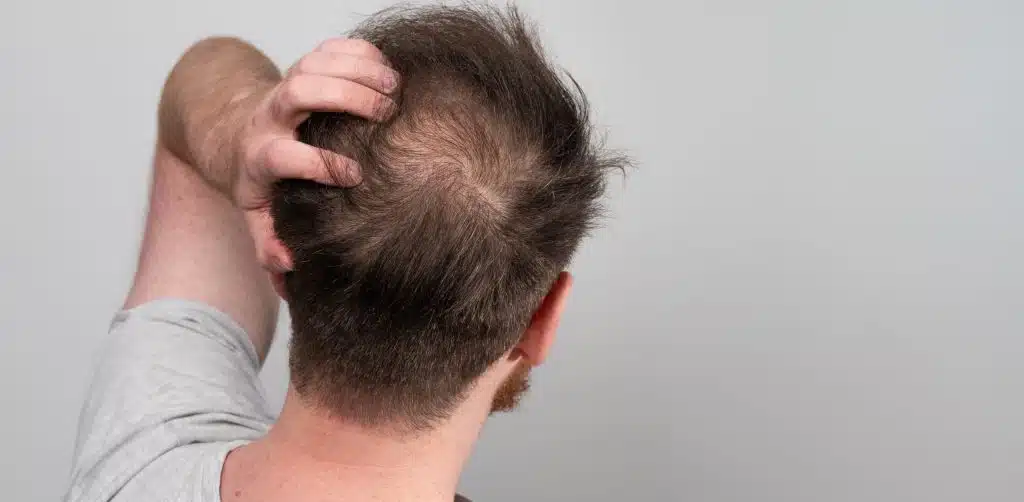
- Androgenetic Alopecia: This genetic condition is the most prevalent type of persistent hair loss in both genders, with men often exhibiting a receding hairline and thinning at the crown, while women usually experience diffuse thinning along the top of the scalp.
- Alopecia Areata: This autoimmune disorder leads the immune system to target hair follicles, causing patchy regions of baldness.
- Traction Alopecia: Caused by ongoing tension on the hair from styling practices like tight braids or ponytails, this form of loss starts gradually and can become permanent if the tension continues.
What Hair Loss Treatment Is Available?
Several nonsurgical forms of hair loss treatment exist to address hair loss. These range from medications to physical therapies, the best treatment for any individual being determined by a medical expert. Response varies, and treatment must be matched to the individual’s underlying diagnosis and goals.
Medication
Minoxidil is a hair loss medication that is applied topically to the scalp. New growth typically depends on ongoing use; discontinuation often leads to loss of any regrown hair. Finasteride is an oral prescription drug mainly prescribed for male pattern hair loss, relying on uninterrupted use for effectiveness. It is not advised for women who could become pregnant due to potential risks.
Light Therapy
LLLT devices emit a low-level light at defined wavelengths to the scalp. While some individuals report improvements, use may require consistent application over long periods. LLLT devices are generally safe and can be combined with other therapies.
PRP Therapy
PRP therapy uses a sample of the patient’s own blood, which undergoes processing to concentrate the platelets. Platelet-rich plasma, which contains growth factors, is injected into areas of the scalp affected by thinning or loss. Growth factors in platelets are believed to promote tissue health and may help activate dormant hair follicles and increase hair shaft thickness. PRP therapy is performed in a series of medical appointments, with maintenance treatments recommended at set intervals.
Consult With a Dermatologist
Because the causes and manifestations of hair loss are varied, consultation with a qualified dermatologist is recommended before beginning any treatment. Dermatologists can identify the specific type and cause of alopecia through clinical examination and diagnostic testing, and develop a treatment plan suited to individual needs. Professional guidance allows for the safest introduction and monitoring of therapies.