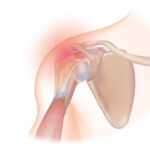

Arthritis pain management focuses on reducing pain, improving joint function, and preserving daily mobility in individuals with inflammatory or degenerative joint conditions. Effective arthritis care often requires a combination of medical treatment, physical therapy, and lifestyle adjustments. Here are effective strategies for managing arthritis pain:
Reduce Pain Every Day
Making small but consistent changes to your daily routine can have a profound impact on arthritis symptoms. These habits focus on reducing strain on joints and minimizing inflammation through lifestyle choices.
- Maintain a healthy weight: Excess weight places significant pressure on weight-bearing joints such as the knees and hips.
- Prioritize sleep hygiene: Poor sleep often increases pain sensitivity and inflammation.
- Use assistive devices: Tools such as jar openers, reachers, or ergonomic keyboards can reduce the stress placed on small joints during everyday tasks.
- Apply heat and cold therapy: Heat packs help relax stiff muscles and improve circulation, while cold packs are helpful for reducing acute inflammation and numbing pain.
- Manage stress levels: Chronic stress can exacerbate pain perception.
Adopting these habits can help you take an active role in your arthritis pain management plan.
Protect Joints With Exercise
Physical activity is often counterintuitive when experiencing pain, but it is fundamental to managing arthritis. Lack of movement can lead to muscle weakness, increased stiffness, and greater pain. The goal is to engage in low-impact exercises that strengthen the muscles surrounding the joints without causing further damage.
A physical therapist can design a personalized exercise program that targets specific joints and addresses individual limitations. They can teach proper body mechanics to avoid strain during daily activities and guide you through range-of-motion exercises to maintain flexibility. Strengthening the muscles surrounding an arthritic joint provides better support and shock absorption, effectively reducing the load on the joint itself.
Incorporate Medical Interventions
Medical interventions play a key role in controlling arthritis pain and inflammation. Over-the-counter pain relievers are often the first-line treatment for mild to moderate pain. Long-term use should be discussed with a healthcare provider due to potential side effects.
For severe symptoms, prescription medications or corticosteroid injections may be recommended. Corticosteroids are anti-inflammatory drugs that can be injected directly into the affected joint to provide rapid, temporary relief. Platelet-rich plasma (PRP) injections involve drawing a small amount of the patient’s blood, processing it to concentrate the platelets, and injecting it into the injured joint. These platelets release growth factors that may promote healing and reduce inflammation.
Seek Professional Help
While self-management strategies are effective for many, there are times when professional intervention is necessary to prevent further joint damage. Seek professional help if you experience the following:
- Persistent pain: If pain persists despite over-the-counter medications and lifestyle modifications, it is time to seek expert advice.
- Joint swelling and redness: These are signs of active inflammation that may require aggressive treatment to prevent permanent damage.
- Difficulty performing daily tasks: When arthritis interferes with your ability to work, dress, or care for yourself, a specialist can offer solutions to restore function.
- Disrupted sleep due to pain: If joint pain is keeping you awake at night, it indicates that your current pain management is not adequate.
- Visible joint deformity: Changes in joint shape or alignment require immediate medical attention to assess disease progression.
Consulting a pain management specialist allows for a comprehensive evaluation and access to advanced therapies.
Schedule Your Arthritis Pain Management Consultation
Managing arthritis is a lifelong commitment that requires a multifaceted approach. Combining healthy daily habits, appropriate exercise, and medical interventions can help you control pain and maintain an active lifestyle. To manage your symptoms, contact a qualified pain specialist near you today to schedule your arthritis pain management consultation.