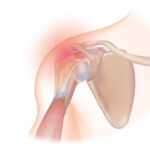

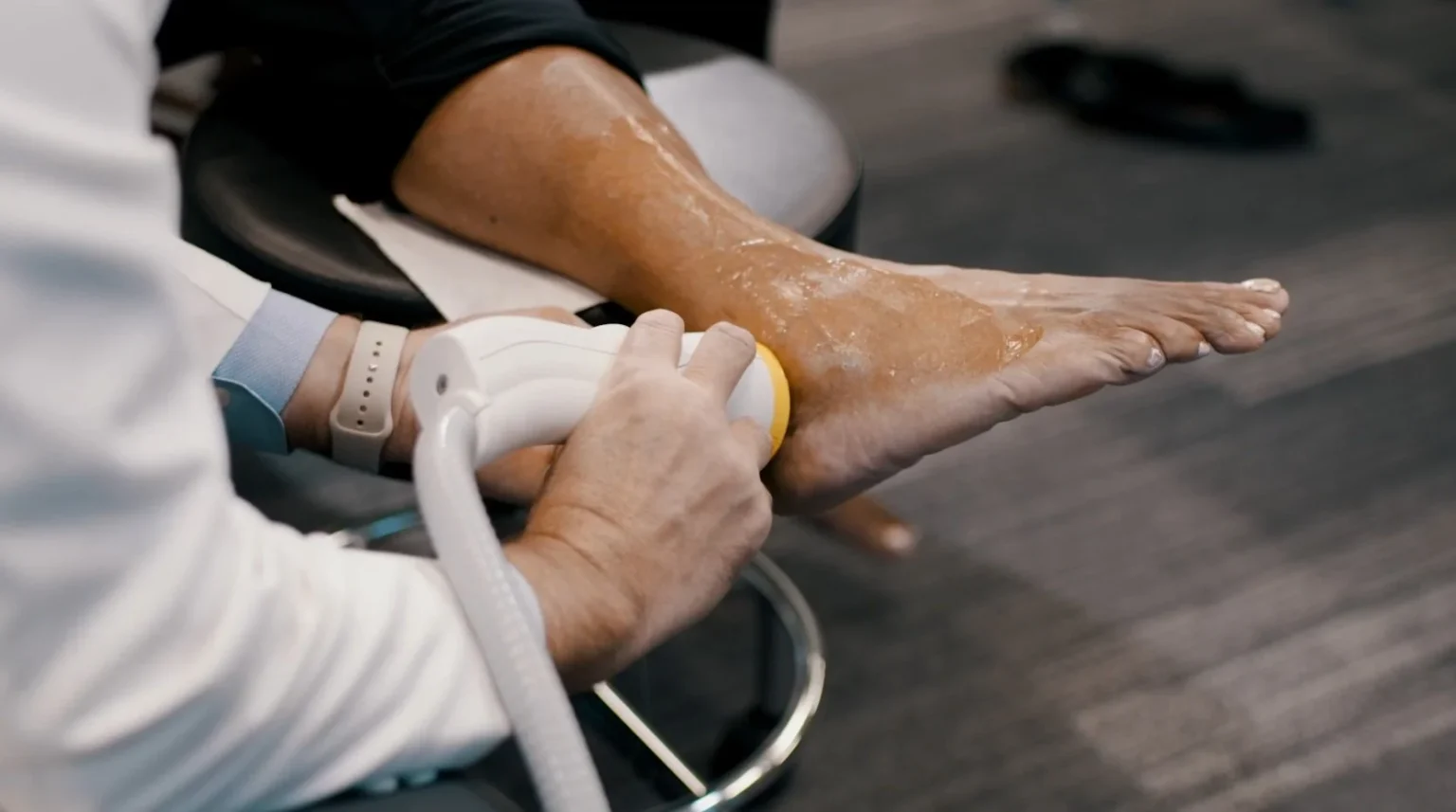
The Achilles tendon connects your calf muscles to your heel bone. This fibrous cord facilitates walking, running, and jumping, but excessive stress places significant strain on the area. Though Achilles injury can range from mild inflammation to complete ruptures, it can be treated by a podiatrist. Here is more information about the Achilles tendon and how its conditions can be treated:
Understanding Tendon Mechanics
When you walk or jump, the Achilles tendon bears the stress of the impact. It connects your calf muscles to your heel bone, and it is involved in many types of foot and ankle movement. An Achilles injury may be a rupture, tear, or related to heel bursitis. Injuries to the Achilles tendon tend to happen to professional athletes.
Identifying Risky Activities
Suddenly increasing your exercise duration or intensity can cause many problems. You might hurt yourself if you start a new training program without proper preparation. Age can play a part in how much stress the Achilles tendon can withstand; people over age 40 have an increased risk of tendonitis.
Certain lifestyle choices may increase the likelihood of tendon damage:
- Running on hilly terrain causes strain.
- Wearing worn-out shoes provides poor support.
- Playing tennis or basketball requires sudden stops.
Men experience Achilles tendon ruptures more than women do, in general. Physiological factors like flat foot arches and overpronation increase a person’s risk of getting tendonitis in the Achilles tendon.
Recognizing Injury Symptoms
Pain typically begins as a mild ache in the back of the leg or above the heel. Although the stiffness usually subsides with mild activity, you might notice tenderness in the morning. Severe pain can occur after sprinting, or you may feel pain after climbing stairs.
A ruptured tendon creates an immediate, sharp sensation. You might hear a loud pop when the injury happens. The calf loses its strength, and walking becomes difficult. Swelling appears near the heel, and the area feels warm to the touch.
You might struggle to stand on your toes. This limitation indicates a loss of function in the calf muscle. If you cannot bend your foot downward, the tendon may have separated completely.
Exploring Treatment Protocols
Nonsurgical approaches heal most tendon problems, and your doctor might suggest the RICE method. This stands for rest, ice, compression, and elevation. Medication reduces pain, and physical therapy strengthens the surrounding muscles after the injury has healed.
Eccentric strengthening exercises offer great benefits. These movements lengthen the muscle while it contracts, and they stimulate healing in the tendon. A physical therapist guides you through these specific routines. Since the elevation relieves tension on the tendon, orthotic devices may help. Your doctor may recommend a walking boot for severe cases. This device immobilizes the ankle, and it allows the tissue to repair itself without strain.
Surgery becomes necessary for some ruptured tendons. If the tendon has torn completely, a surgeon will stitch the ends back together. Recovery takes time, and if the tendon was severely damaged, recovery will take longer.
Treat Your Achilles Injury
Achilles injuries require patience and proper care. Symptoms vary from mild stiffness to severe pain, and treating the problem in the early stages is more efficient than waiting for a serious injury to occur. You can regain mobility with the right treatment plan. If you want to learn more about treatment and causes of Achilles tendon injuries, consult a foot and ankle specialist near you.