
Gum disease is a progressive condition that affects many adults. It starts quietly, but if you ignore the early signs, it can lead to oral surgery. You might notice bleeding when you brush, or your gums may look red and swollen. Early detection is key because treatment becomes more complex as the disease progresses.
The First Stage: Gingivitis
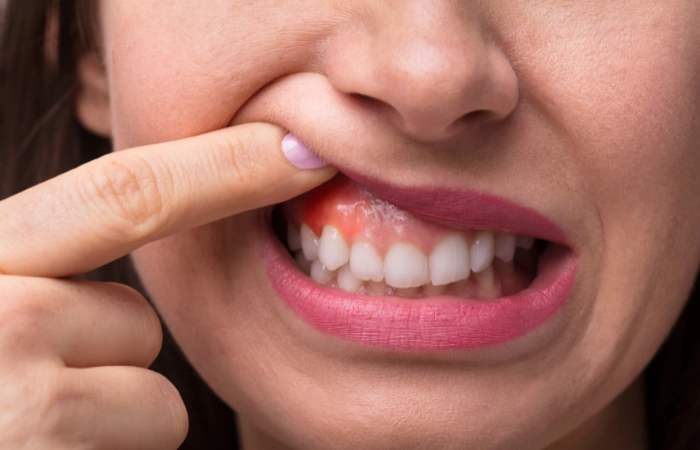
Gingivitis is the mildest form of gum disease. Plaque builds up on teeth, and bacteria irritate the gum tissue. You may not feel pain, but your gums might bleed easily during brushing or flossing. Sometimes, you also notice persistent bad breath or a slight tenderness around your gums. Swelling, recession of gums, or a shiny appearance may be signs of infection starting. This stage does not involve bone loss, so the damage is often reversible. Early signs are mild, but noticing swelling, redness, or bleeding gums helps catch gum disease early. Since brushing and flossing help prevent worsening symptoms, stay consistent. Using a soft-bristled toothbrush reduces irritation, and seeing your dentist early for a professional cleaning helps. Brushing twice a day removes harmful plaque.
Moderate Gum Disease: Periodontitis
Unchecked gingivitis can advance to moderate periodontitis. Because the infection spreads below the gum line, it can damage the bone and fibers that support teeth. As this process continues, the infection destroys more tissue, making teeth less secure in the mouth. Your gums may pull away from your teeth, forming pockets that collect food and bacteria, making it harder to clean. These pockets are hard to clean, so the infection often worsens without professional intervention.
You experience increased sensitivity, or you notice that your teeth look longer due to gum recession. Some people experience more bleeding or a bad taste, making it harder to eat certain foods. Moderate periodontitis also leads to small abscesses, which signal that the infection is becoming more severe. Treatment at this stage usually involves deep-cleaning procedures such as scaling and root planing. These treatments remove tartar below the gum line, and they smooth root surfaces to help the gums reattach.
Treatment: Oral Surgery
Severe gum disease represents the most advanced stage of infection. Extensive bone loss can occur, leading to loose or shifted teeth. Simple cleaning methods are no longer sufficient, for the damage to the supporting structures is significant. At this point, oral surgery is often necessary to save your teeth. Timely surgical intervention helps prevent further deterioration and increases the likelihood of preserving existing teeth and bone. Treatments such as surgery or bone grafting are designed to restore stability, and these approaches sometimes improve comfort and function. If the damage is too great, extraction may be the only viable option remaining. Seeking specialized care is urgent when the disease reaches this stage because early treatment influences outcomes and quality of life.
Take Action Today
Recognizing the signs of gum disease early allows you to seek timely treatment. Whether you have mild gingivitis or severe periodontitis, professional guidance helps you navigate your options effectively. Do not wait until you are in more pain, for early intervention can save your teeth. Schedule an appointment with your dentist today to assess your gum health. They will create a personalized plan and guide you toward a positive smile outcome. Taking this step is proactive and helps you address issues before they require surgery.