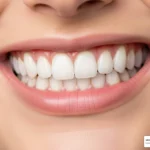


Porcelain veneers are thin, custom-made shells designed to cover the front surface of teeth to improve their appearance. They are commonly used to address concerns such as discoloration, minor chips, and mild shape or alignment issues. Here is more information on what to expect when getting dental veneers:
Confirming Veneer Candidacy
Before scheduling the procedure for porcelain veneers, you should determine whether you are a suitable candidate. Your dentist will examine your teeth to make sure veneers are the right choice for you, discuss what the procedure involves, and some of its limitations. They may also take X-rays and possibly make impressions of your mouth and teeth.
A good candidate generally has healthy gums and teeth. If you have tooth decay or gum disease, your dentist will treat these issues before placing veneers. Patients who clench or grind their teeth may not be good candidates for porcelain veneers, as these behaviors can cause the veneers to chip or break.
Exploring the Procedure
The journey to a new smile involves several stages, each designed to make sure the final result is functional and aesthetically pleasing. The following are the specific appointments and actions taken during the treatment plan for porcelain veneers:
- Diagnosis and Treatment Planning: Explain to your dentist the result that you are trying to achieve. During this appointment, your dentist will examine your teeth to determine whether dental veneers are appropriate for you and will discuss the procedure.
- Preparation: To prepare a tooth for a veneer, your dentist will remove a portion of the enamel from the tooth surface. Your dentist will then make a model or impression of your tooth that will be sent to a dental laboratory.
- Bonding: Your tooth will be cleaned, polished, and etched to prepare it for the veneer. A special cement is applied to the veneer, which is then placed on your tooth.
- Final Adjustments: Your dentist will apply a special light beam to the dental veneer, causing it to harden or cure very quickly. The final steps involve removing excess cement, evaluating the bite, and making final adjustments to the veneer as necessary.
Your dentist may ask you to return for a follow-up visit in a couple of weeks to assess how your gums are responding to your new veneers.
Recovering After Veneers
After enamel removal and while you have temporary veneers, you may experience sensitivity to hot and cold foods and beverages. This is normal because a thin layer of enamel has been removed. You may also feel a difference in the texture of your teeth or the way your bite feels initially.
When the permanent porcelain veneers are bonded, you can return to your normal activities immediately. The anesthetic wears off within a few hours, and you should be able to eat and drink normally. Avoid chewing on hard foods with your front teeth to prevent damage. If the bite feels uneven after the numbness subsides, contact your dentist for an adjustment.
Maintaining Veneers Long-Term
Porcelain veneers are durable, but they require proper care to last for many years. Maintaining good oral hygiene habits is fundamental to extending the life of your veneers and keeping the underlying tooth healthy. Here are key practices for maintaining the integrity of your porcelain veneers:
- Maintain Oral Hygiene: You must continue to brush and floss your teeth as you normally would. Use a non-abrasive fluoride toothpaste to avoid scratching the porcelain surface.
- Avoid Hard Foods: Do not bite on hard objects like pens, ice, or fingernails. While porcelain is strong, it is not indestructible and can chip or crack under excessive pressure.
- Protect Against Grinding: If you clench or grind your teeth at night, inform your dentist. They can provide a night guard to protect your veneers from the strong forces of grinding while you sleep.
- Regular Dental Visits: Visit your dentist for regular check-ups and professional cleanings. Your dentist can use a special polish formulated for veneers during your cleaning to keep them looking their best.
- Watch for Stains: Although porcelain veneers are stain-resistant, the adhesive used to attach them is not. It is helpful to limit consumption of coffee, tea, red wine, and other stain-causing foods and beverages.
With proper care, porcelain veneers can last for 10 to 15 years, but they may need to be replaced due to normal wear and tear.
Schedule Your Porcelain Veneers Consultation
Porcelain veneers offer a long-term solution for correcting various dental imperfections and achieving a uniform smile. Understanding the process, from the initial consultation to the final bonding and aftercare, helps you make an informed decision about your dental health. Contact a qualified dentist near you to schedule your appointment for dental veneers today.