
A herniated disc occurs when the soft center of a spinal disc pushes through a crack in the tougher exterior of the disc. This condition can irritate nearby nerves and result in pain, numbness, or weakness in an arm or leg. Some people experience relief through conservative treatments like physical therapy and medication, while others require surgical intervention to alleviate persistent symptoms. Understanding the available surgical options helps patients navigate this diagnosis.
What Are Herniated Discs?
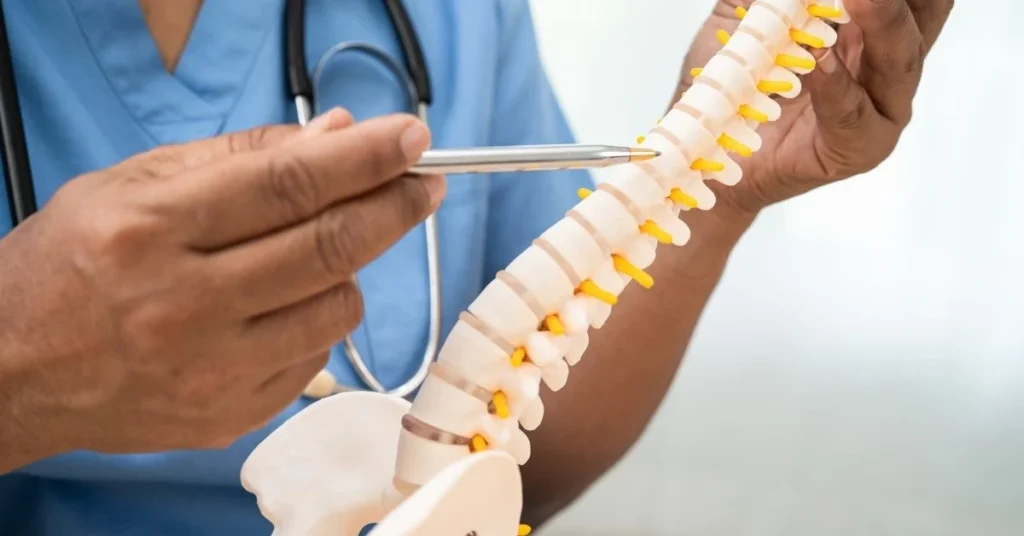
The spine consists of individual bones called vertebrae, and these bones are stacked on top of one another. Between these vertebrae are flat, round discs that act as shock absorbers for the spine. A herniated disc, also known as a slipped or ruptured disc, happens when the nucleus pulposus (the jelly-like center) pushes out through a tear in the annulus fibrosus (the rubbery exterior).
This displacement can occur in any part of the spine, though it most frequently affects the lower back (lumbar spine). The protruding material often presses against spinal nerves, leading to localized pain or radiating discomfort. The severity of the herniation dictates the level of impact on the surrounding neural structures.
What Causes Them?
Disc herniation is most often the result of gradual, aging-related wear and tear called disc degeneration. As people age, their discs lose water content, making them less flexible and more prone to tearing or rupturing with even a minor strain or twist. Occupation also plays a role; jobs that involve physically demanding tasks, such as repetitive lifting, pulling, pushing, or bending sideways, increase risk.
What Are the Symptoms?
Symptoms vary depending on the disc’s location and whether it is pressing on a nerve. Some herniated discs occur in the lower back, but they can also occur in the neck. If the herniation is in the lower back, patients may feel the most intense pain in their buttocks, thigh, and calf.
Numbness or tingling is another common symptom experienced by those with a herniated disc. People with the condition may experience radiating numbness or tingling in the body part served by the affected nerves. Muscle weakness may also occur, and this causes patients to stumble or impair their ability to lift or hold items.
What Are the Surgical Options?
When conservative treatments do not alleviate symptoms, surgery becomes a viable option. A standard surgery for a herniated disc is a discectomy. In this procedure, the surgeon removes the herniated portion of the disc; this relieves pressure on the nerve. Other options may be available depending on specific needs.
What Does Surgery Entail?
During a discectomy, the surgeon makes a small incision over the affected area to access the spine. They then carefully remove the bone and ligament, and they gain access to the herniated disc space. Minimally invasive techniques involve smaller incisions and advanced tools to view the disc and nerves. These techniques may result in shorter hospital stays and faster recovery times.
Post-operative care involves pain management and a gradual return to normal activities. Physical therapy may be recommended to strengthen the muscles around the spine and improve flexibility. Adhering to the surgeon’s post-operative instructions is key to a successful recovery, and it helps minimize the risk of complications.
Know Your Options
Surgery for a herniated disc can provide relief for patients experiencing persistent pain and neurological symptoms. Understanding specific procedures, such as discectomy, allows patients to make informed decisions about their healthcare. Consult with a spine specialist and learn more about your surgical options.